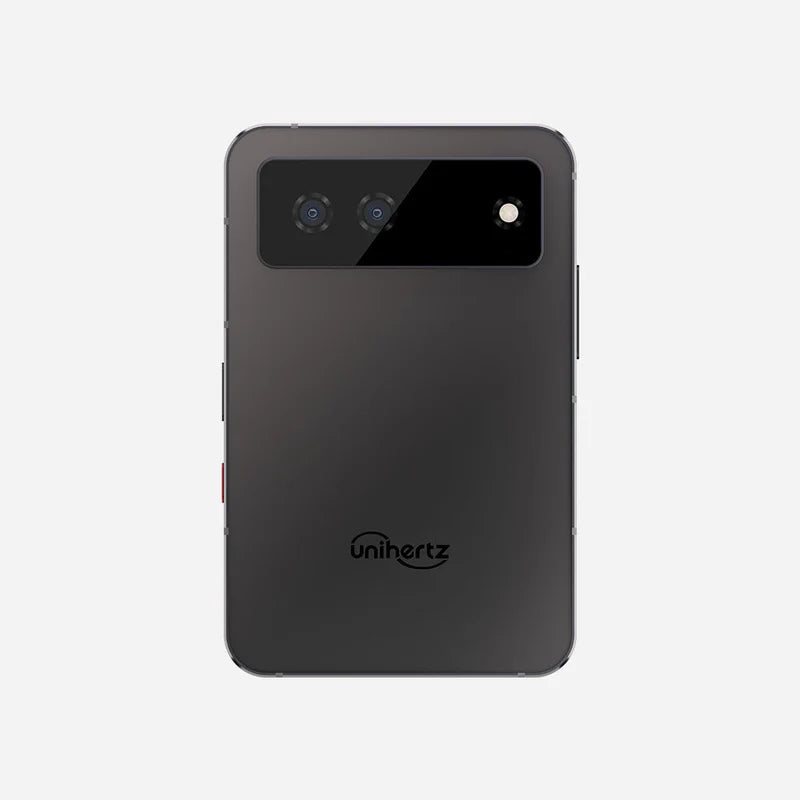
For years, mobile productivity meant one thing: rapid thumb typing on tactile frets, effortless shortcut combos, and triaging unread queues without ever lifting your eyes from a crowded train aisle. Today, the tech industry believes it has manufactured the true heir to that legacy—not in sculpted plastic keys, but in folding book-style glass. Leading that charge is the HONOR Magic V6, a featherweight 219g foldable that manages to pack a massive 6,660mAh silicon-carbon battery and Qualcomm's Snapdragon 8 Elite Gen 5 into a chassis just 8.75mm thick.
Software Multi-Windowing: The Glass Desktop
What makes modern foldables like the Magic V6 compelling to the enterprise crowd isn't merely the bendable OLED—it's how aggressively vendors are tailoring multi-window productivity software. Running MagicOS 10 on Android 16, Honor has introduced features like Fast-Flex, which triggers split panes through folding gestures, and Multi-Flex, an interface layer engineered to run three simultaneous applications side by side.
"Multi-Flex allows three apps to run at the same time within a desktop-style layout. Users can review documents while participating in a video meeting and replying to messages without constantly switching between apps." — Gulf News
Add in the ability to share files across Apple devices and even mirror Mac displays wirelessly, as highlighted in launch coverage by Mighty Gadget, and the argument becomes clear: smartphone makers want a single folding slate to handle every tier of your workday.
The Tactile Divide: Canvas vs. Control
Yet, as seasoned QWERTY loyalists know, an expanded canvas does not inherently make an efficient input system. While an unfolded 7.95-inch panel makes cross-referencing spreadsheets and running two messaging threads trivial, the moment you need to draft a long email, the glass strikes back. A soft virtual keyboard monopolizes almost half of your glorious screen estate, eliminating the very spatial benefit you unfolded the device for in the first place.
On a dedicated physical keyboard handset—from the classics like the BlackBerry Bold 9900 and Key2 to modern community-driven QWERTY revivals—text entry is blind, deliberate, and independent of display space. Tactile keys preserve full-screen context, provide true physical feedback without battery-draining haptics, and grant access to instant hardware shortcuts that software taskbars still struggle to emulate naturally. The Magic V6 excels at consuming and organizing multiple data streams, but when deadlines loom and the input must be raw text, glass simply cannot replicate the rhythmic muscle memory of clicky mechanical switches.
Are you looking to bridge the gap between classic physical typing and modern mobile workflows? Head over to our community forums and browse our resource guides to see how fellow keyboard devotees keep their setups ticking in a world obsessed with folding screens.