The Return of the Click
For those of us who still dream of the satisfying, rhythmic snap of a physical keyboard, the last few years have felt like a long, glass-covered drought. When Clicks Technology first launched its keyboard case for the iPhone in 2024, it felt like a love letter to a bygone era of mobile productivity. Now, in 2026, that vision has fully matured, with the company successfully expanding its hardware ecosystem to the Android world.
Android Compatibility and Design
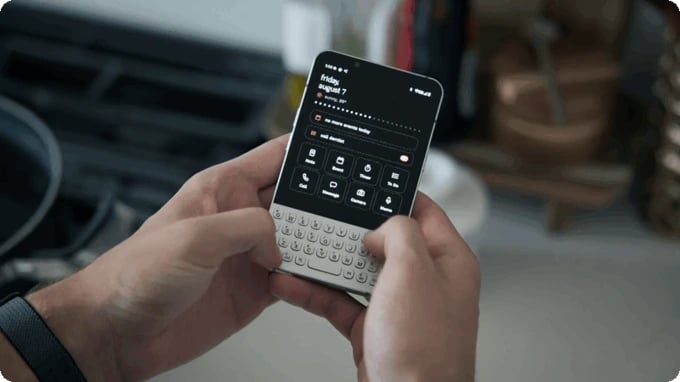
The expansion brings the iconic Clicks experience to some of the most popular Android devices, including the Google Pixel, Motorola Razr, and Samsung Galaxy series. These cases are not merely aesthetic throwbacks; they feature the same metal dome switches that provide the tactile feedback we crave, along with backlit keys and a dedicated companion app for customizing shortcuts. By offloading the virtual keyboard to the physical accessory, users reclaim significant screen real estate, allowing for a more immersive experience when drafting emails or managing tasks.
The Clicks keyboard case is more than just a nostalgic accessory; it is a productivity tool that restores the speed and precision lost to the flat, unforgiving nature of modern touchscreens.
Evolution Beyond the Case
The journey for Clicks has been rapid. Following the success of their initial iPhone cases, which saw over 100,000 units sold globally, the company has continued to innovate. By 2026, the product line has evolved beyond device-specific cases to include the versatile Power Keyboard, a magnetic, universal solution that brings physical typing to an even wider array of handsets. This shift underscores a growing market demand for hardware-based input methods that prioritize efficiency over the minimalist, button-less trends of the last decade.
While these modern accessories are designed for glass-slab smartphones, they serve as a vital bridge for those of us who still hold a torch for the classic QWERTY form factor. Unlike the dedicated BlackBerry devices of the past, which integrated the keyboard into the chassis for a perfectly balanced, low-profile feel, these cases add length to the device. However, the trade-off—gaining a tactile, high-speed typing interface on a modern, high-performance Android phone—is a compromise many enthusiasts are more than happy to make.
If you are looking to reconnect with the tactile joy of physical keys or want to dive deeper into the world of mobile productivity, we invite you to browse our community forums and resource guides to see how others are integrating these tools into their daily workflows.