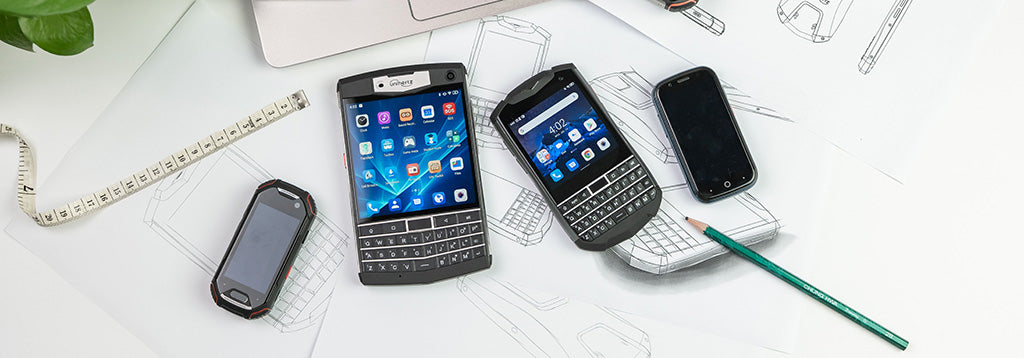
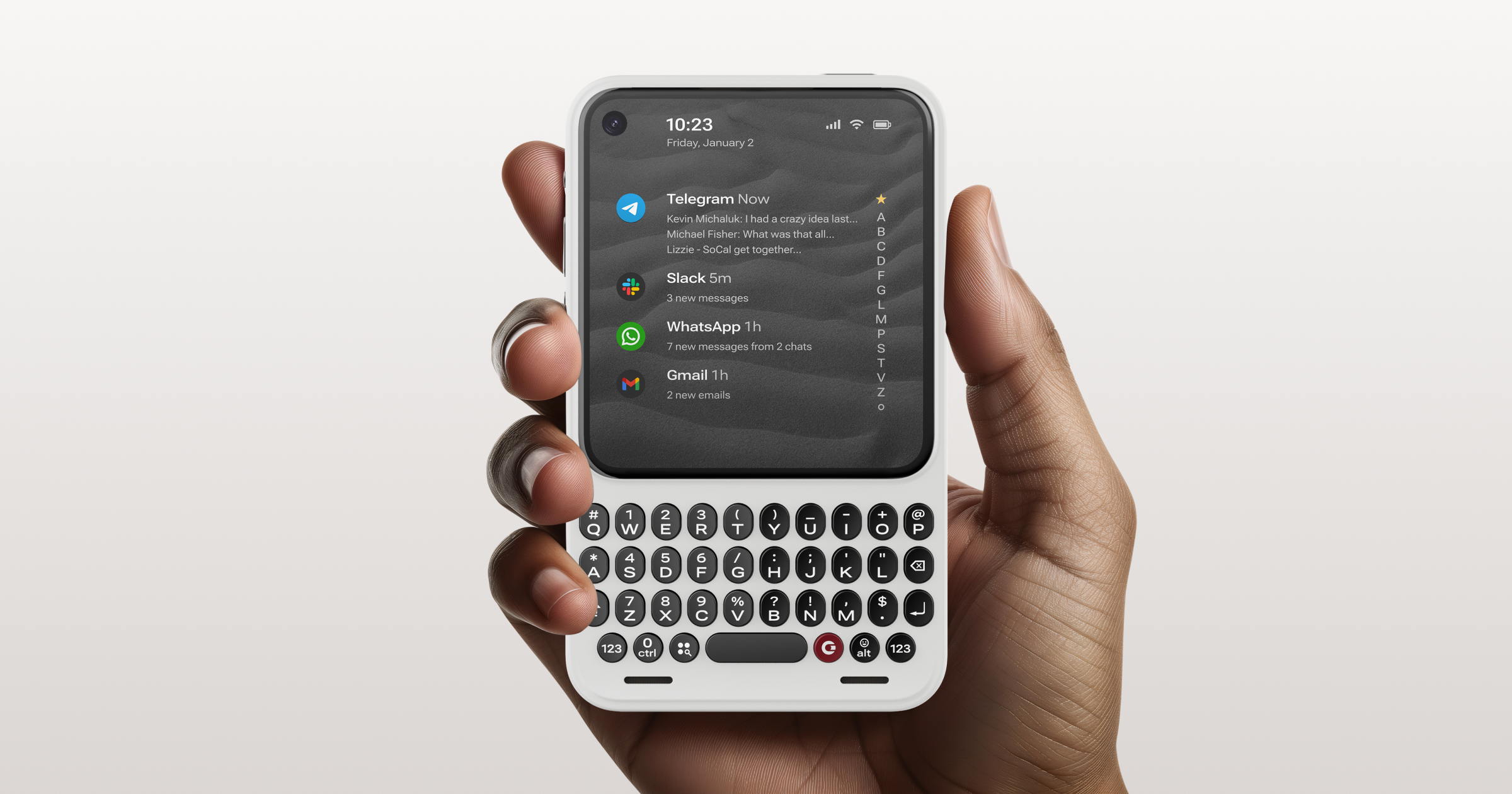
For those of us who cut our teeth on the sculpted frets of the BlackBerry Bold, typing on glass has always felt like an uneasy compromise. For over a decade, modern smartphones have forced thumb-typers into an endless dance of autocorrect missteps, hunting for keys on cold capacitive surfaces. That status quo faced a welcome disruption when Clicks Technology—co-founded by mobile veteran Kevin Michaluk and tech creator Michael Fisher—introduced dedicated snap-on keyboard cases, first revealed in their Clicks Press Release.
Reclaiming Screen Real Estate and Tactile Feedback
What began as an ambitious experiment for select iPhone models has steadily matured across modern smartphone ecosystems. As documented by TechCrunch, Clicks has systematically expanded its hardware keyboard footprint to include Android flagships alongside continuing iPhone generations. The premise remains fundamentally transformative: by tethering a full mechanical QWERTY deck to the bottom of the device via physical USB-C or Lightning connectors, the onscreen virtual keyboard never has to engage.
This hardware intervention eliminates the digital keyboard that traditionally swallows nearly 50 percent of modern phone displays. Running full email clients, reviewing documents, or navigating chat windows suddenly feels spacious again. Furthermore, physical keys unlock native platform shortcuts—such as pressing CMD-combinations to jump between screens or tapping the spacebar to glide down web pages—instantly turning touch-based smartphones into rapid productivity workstations.
“Clicks brings the tactility and precision of a physical keyboard to iPhone, so people don’t have to wait until they get back to their desks to create or communicate,” noted Michael Fisher during the platform's initial debut.
The Ergonomic Trade-off
Yet, the reality of strapping a physical deck onto a modern glass slate comes with design compromises. Prominent voices in mobile tech, including John Gruber at Daring Fireball, have pointed out the unique physical profile created by keyboard cases, noting that adding length to an already tall smartphone can create a top-heavy balance reminiscent of holding a remote control. For purists transitioning from touchscreen pecking, the deliberate travel and smaller dome switches require retraining finger muscles that have grown accustomed to frictionless tapping.
Still, for writers, enterprise travelers, and mobile creators, the psychological reward of genuine tactile feedback outweighs the extra pocket bulk. Feeling the mechanical snap under each thumb provides definitive reassurance that a letter was registered, drastically cutting down the cognitive overhead of proofreading every sentence on the fly.
A Bridge Between Touch Slates and Dedicated QWERTY
When evaluated against classic integrated keyboard smartphones like the BlackBerry Classic or modern ground-up hardware such as the upcoming Clicks Communicator, a keyboard-case setup represents a compelling middle path. Rather than accepting the performance or camera limitations that often accompany niche dedicated QWERTY handsets, users can pair top-tier silicon and flagship cameras from Apple or Android makers with physical clicking keys. While it lacks the unified chassis balance of a native BlackBerry, it serves as the most viable lifeline for physical keyboard enthusiasts living in a touch-first landscape.
If you're eager to recapture that tactile spark, take a moment to visit our community forums and browse our gear guides. Connect with fellow QWERTY devotees, share your typing setups, and see which cases and standalone communicators best suit your mobile workflow.