A New Direction for Minimal
For those of us who still crave the tactile satisfaction of a physical keyboard, the landscape has been sparse. When the original Minimal Phone launched, it made waves by pairing a QWERTY layout with an E Ink display, a bold choice designed to make doomscrolling physically unpleasant. Now, in 2026, the Minimal Company has returned with the Minimal Phone 2, and the changes are as significant as they are surprising.
From Grayscale to AMOLED
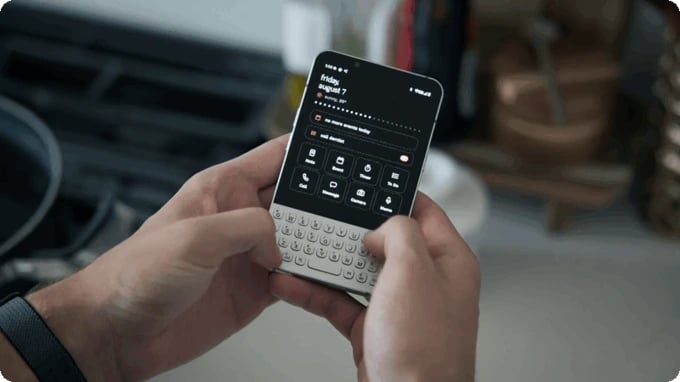
The most striking update is the display. The company has abandoned the E Ink panel in favor of a 3.92-inch 1080 x 1240 AMOLED screen with a 90Hz refresh rate. While E Ink was the hallmark of the first generation's anti-distraction philosophy, the shift to AMOLED suggests a pivot toward a more practical, everyday user experience. The device remains compact, housed in an aluminum body, and continues to feature a backlit physical QWERTY keyboard with metal dome switches, ensuring that the typing experience remains the primary focus.
The Minimal Phone 2 is designed to give you your day back, says CEO Armen Youssefian, even as the hardware becomes more capable than ever.
Modern Internals and 5G
Under the hood, the Minimal Phone 2 is a different beast entirely. It is powered by the MediaTek Dimensity 8300 chipset, paired with 8GB or 12GB of RAM and up to 512GB of storage. Perhaps most importantly for modern connectivity, the device now supports 5G. This hardware leap positions the phone not just as a niche distraction-free tool, but as a legitimate, high-performance compact smartphone that happens to prioritize physical input over touch-screen reliance.
While the Minimal Phone 2 is a dedicated QWERTY device, it is worth noting how it compares to the classic BlackBerry handsets of the past. Unlike the legacy devices that defined the category, the Minimal Phone 2 runs on a modern, Android-based OS, allowing it to bridge the gap between the nostalgic utility of a physical keyboard and the app-driven requirements of 2026. It offers the tactile precision we love without the software limitations that eventually sidelined older platforms.
If you are interested in keeping the spirit of the physical keyboard alive, we invite you to explore our community forums and resource guides to see how others are integrating these modern QWERTY devices into their daily lives.