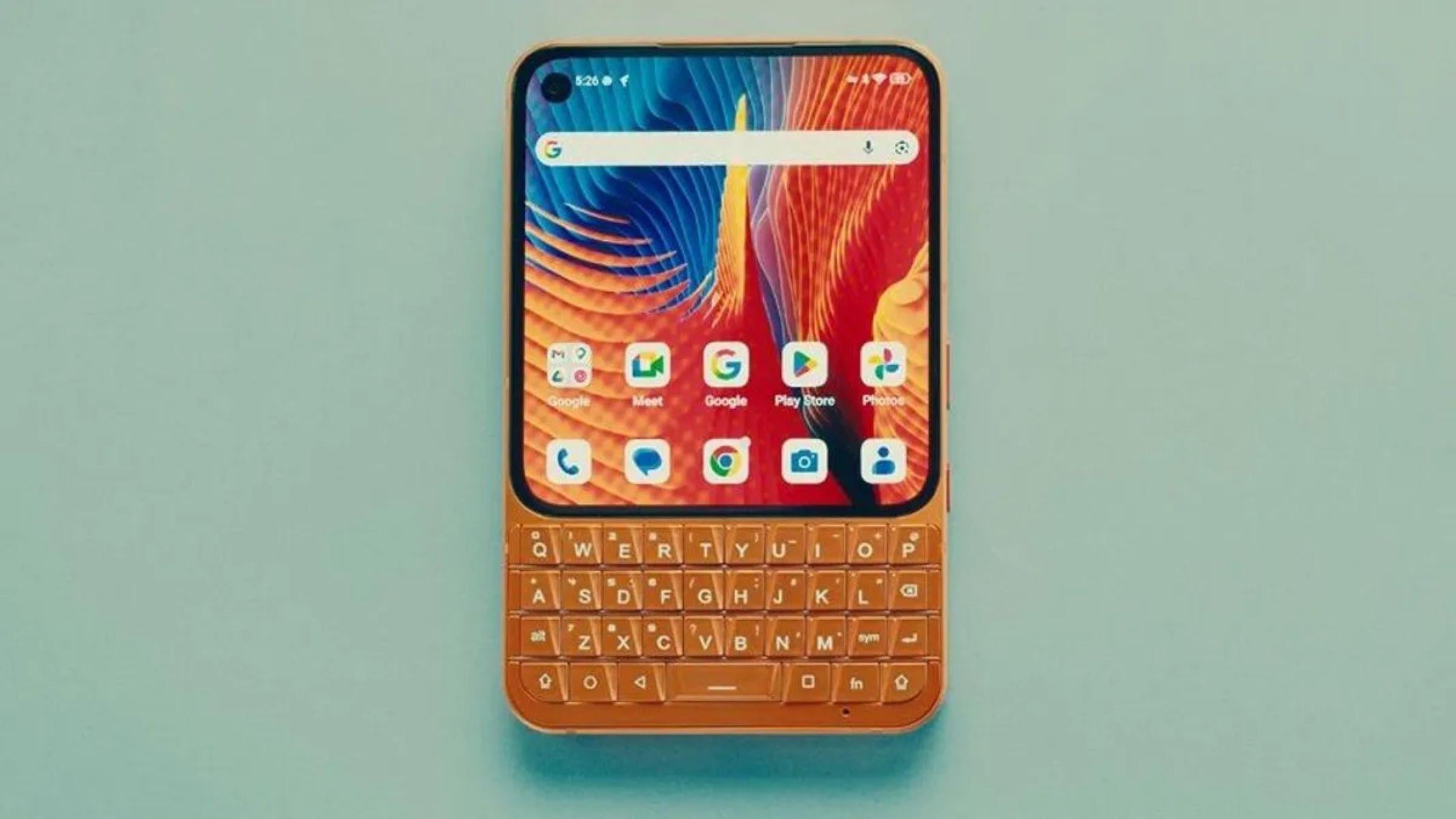
In an era dominated by homogenous glass slabs, there is something quietly rebellious about the rhythmic, mechanical click of physical mobile keys. Seven to nine years after TCL Communication introduced the BlackBerry KEYone in 2017 and followed up with the refined BlackBerry KEY2 in 2018, both devices continue to maintain a fiercely loyal user base. While mainstream smartphone cycles churn every autumn, keyboard diehards are proving that ergonomics, intention, and tactile feedback outshine planned obsolescence.
The Enduring Charm of the KEY Series
When TCL manufactured the KEYone under the BlackBerry Mobile moniker, it married Google’s Android ecosystem with the classic portrait QWERTY form factor. It broke away from sliding mechanisms like the Priv to return to the iconic candybar shape typists had revered since the Bold era. The subsequent KEY2 honed the experience further: matte keys, improved travel, capacitive gesture scrolling across the frets, and the customizable Speed Key shortcuts highlighted in early coverage by WIRED.
"If you long for the days of tiny, clicky physical phone keyboards long past, you might like it, too."
That exact sentiment still holds true today. As detailed in secondary market trend reports from Accio, the KEY2 and KEYone remain stable niche commodities, commanding surprisingly high resale values on platforms like Alibaba and eBay. With modern manufacturers universally abandoning integrated thumb-boards, enthusiasts have established a robust secondary ecosystem to keep these hardware gems operational.
Overcoming the Modern Software Hurdle
Daily driving a smartphone from the late 2010s is not without its compromises. Neither device receives official platform security patches, and legacy Android builds require deliberate management. Yet, community members continue to find utility by repurposing the devices for focused, distraction-free workflows. Many owners leverage lightweight web-based apps, sideload optimized clients, and use the phones for drafting articles, messaging, and note-taking where tactile accuracy is paramount.
As buying guides from Alibaba Buying Guides observe, the KEY2 remains functional for power users prioritizing intentional, offline-first productivity over social media scrolling. For these typists, the physical keyboard transforms the phone from a passive media consumption conduit into an active creation tool.
A Thriving Subculture of Keyboard Loyalists
The persistence of the KEY series illustrates an unaddressed void in personal tech. The community swaps battery replacement tutorials, sources spare keymats, and shares custom launcher configurations to stretch every drop of performance from their Snapdragon chipsets. As long as the keys keep clicking, BlackBerry’s Android swansongs will refuse to fade quietly into gadget history.
Are you keeping your KEYone or KEY2 running, or searching for hard-to-find replacement parts? Be sure to explore our community forums and hardware resource hubs to connect with fellow physical keyboard enthusiasts from around the world.