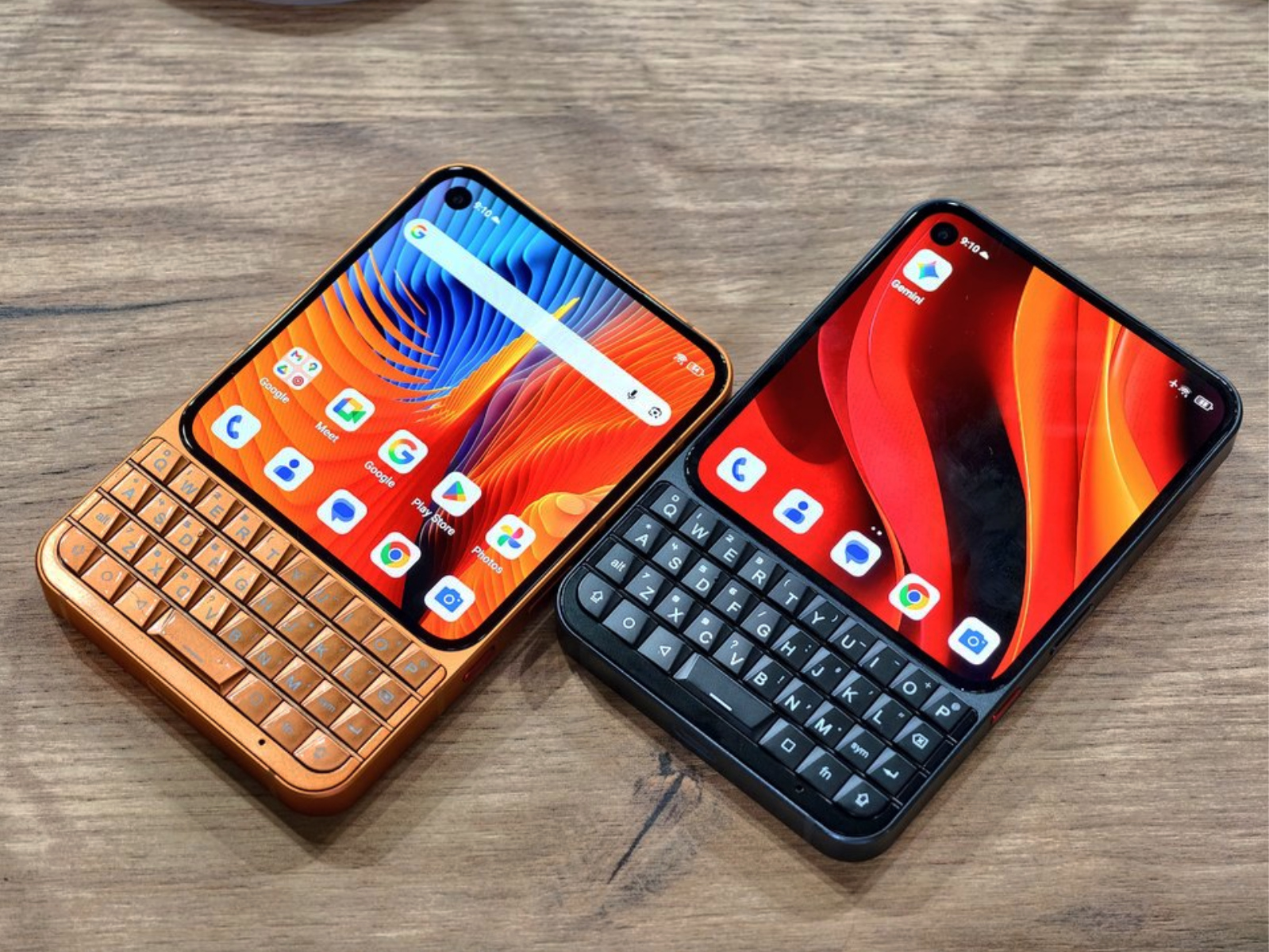
The Great Form Factor Divergence
In 2026, the smartphone market has reached a fascinating bifurcation. On one side, we see the meteoric rise of foldable devices, which are finally shedding their 'experimental' label to become the new standard for the ultra-premium segment. With global foldable shipments projected to grow by 20% this year, driven by the entry of major players like Apple and advancements in hinge durability and battery density, these devices promise a future of expansive, tablet-like screens that fold into your pocket [5] [9].
Yet, amidst this race for more pixels and larger displays, a counter-movement is brewing. Startups like Clicks Technology and Unihertz are finding success by looking backward, reintroducing physical QWERTY keyboards to a generation that has largely only known glass touchscreens [6]. While foldables aim to maximize consumption, these keyboard-centric devices aim to refine interaction.
Intentionality vs. Immersion
For some users, the appeal is less about nostalgia and more about control. Having an extra barrier of inconvenience adds more intentionality to how we use our devices.
This sentiment, echoed by industry observers, highlights the core difference between the two trends. Foldables are designed for immersion—watching media, multitasking, and consuming content on a grand scale [4]. Conversely, the modern QWERTY device is a tool for precision. For many, the tactile 'click' of a physical key provides a level of feedback that a haptic-engine-driven glass slab simply cannot replicate. It is a rejection of the 'always-on' consumption model in favor of a more deliberate, productive relationship with technology [6].
While foldables are undeniably the darlings of the market analysts—with average selling prices climbing toward $1,485 as they become the new status symbol—the keyboard phone remains a vital niche [7]. It serves those who prioritize the speed and accuracy of physical typing over the luxury of a folding screen. While a foldable device offers a 'mini-tablet' experience, it often sacrifices the ergonomic comfort of a dedicated keyboard, making the QWERTY form factor a superior choice for the mobile professional who values text-heavy communication above all else [8].
Whether you are looking to embrace the future of folding glass or return to the tactile satisfaction of a physical keyboard, we invite you to browse our community forums and resource guides to find the device that best fits your workflow.