The Return of the Click
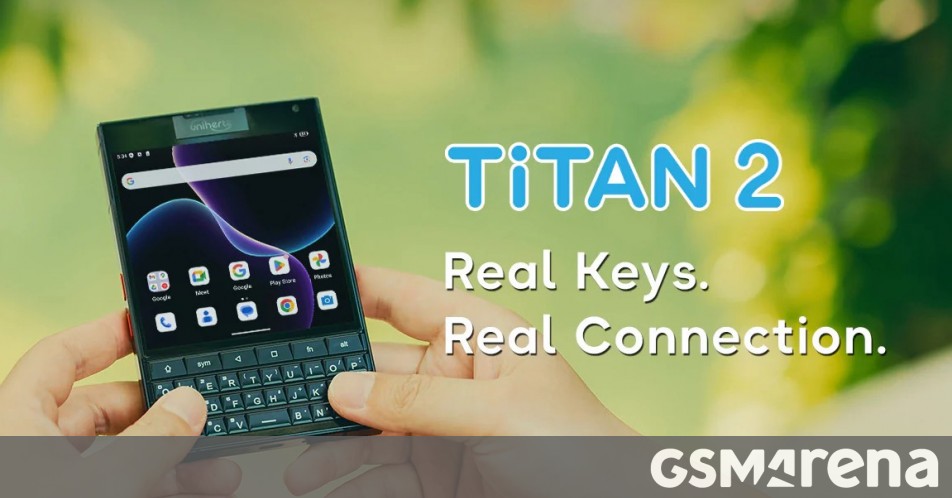
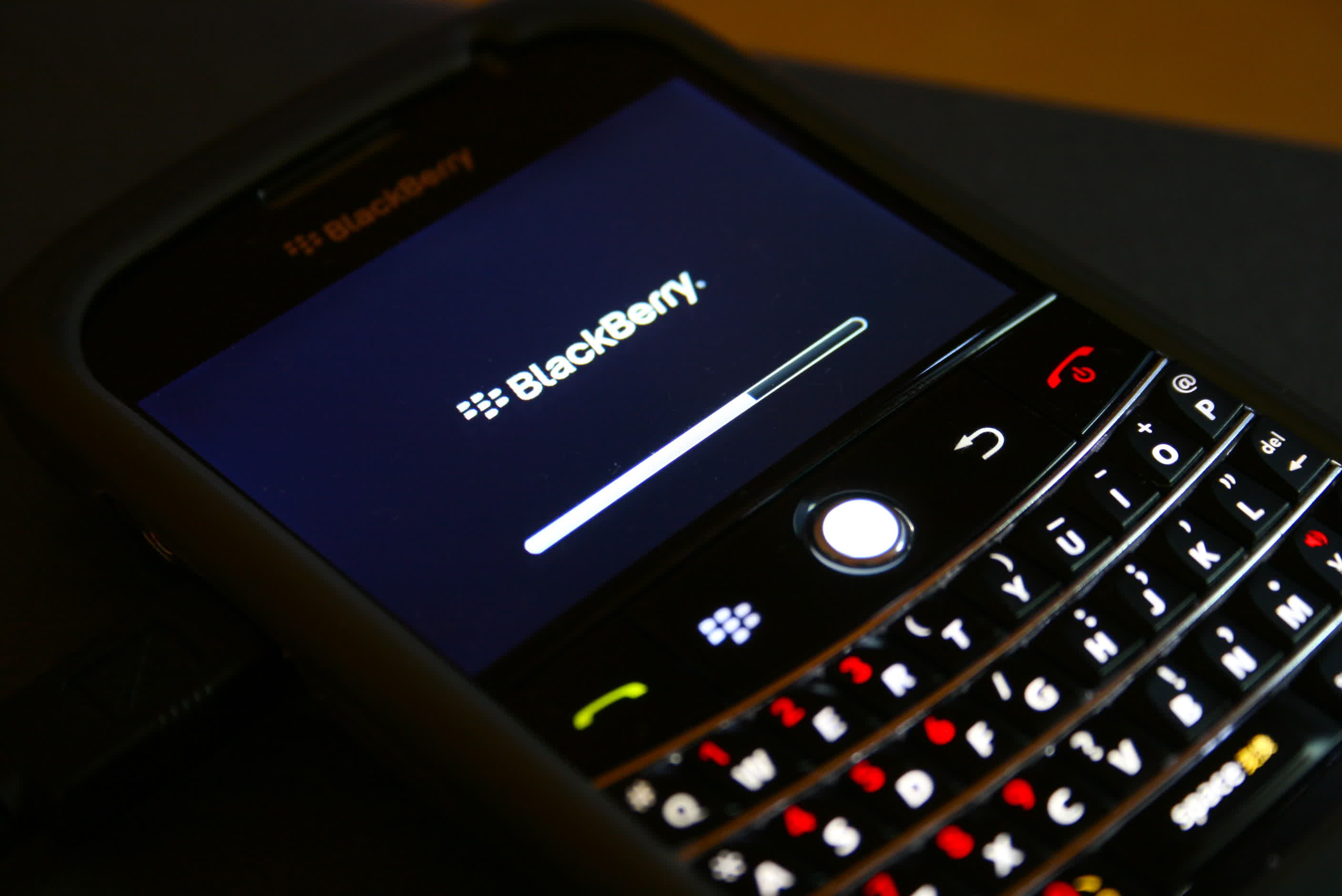
For years, the smartphone industry seemed to reach a consensus: the glass slab was king. Following the decline of BlackBerry and the industry-wide pivot toward expansive, bezel-less touchscreens, the physical QWERTY keyboard was relegated to the annals of tech history. Yet, as we navigate 2026, a curious trend has emerged. From the buzz surrounding the Clicks Power Keyboard to the anticipation for dedicated devices like the Clicks Communicator, the physical keyboard is staging a comeback that few industry analysts predicted.
The Efficiency Debate
The core of the modern debate lies in a clash of muscle memory. Proponents of physical keys argue that tactile feedback provides a level of precision and satisfaction that software keyboards simply cannot replicate. For those who spend their days drafting long emails or managing documentation on the go, the physical keyboard offers a reprieve from the frustrations of aggressive autocorrect and the occasional software-keyboard bug that plagues even the most polished mobile operating systems.
The dedicated QWERTY keyboard was an iconic design and its utility arguably changed society forever moving us closer to the 'always-on' world we now live in.
However, critics remain skeptical. Many modern users, having grown up in the era of capacitive touch, have developed highly refined muscle memory for virtual keyboards. For these users, the transition back to physical buttons can feel like a step backward. As noted in recent tech commentary, the convenience of features like gesture-based typing, rapid emoji access, and the sheer speed afforded by modern software keyboards makes the physical alternative feel cumbersome to some. The trade-off is clear: you gain a tactile experience, but you often sacrifice screen real estate and the fluid, dynamic nature of a digital interface.
A Niche for the Future
Whether these devices are driven by pure nostalgia or a genuine desire for a distraction-free, productivity-focused tool, the market is responding. Companies are now positioning these devices not necessarily as replacements for your primary smartphone, but as specialized companions. By offering a dedicated, tactile input method, these manufacturers are catering to a segment of the population that values the deliberate, physical act of typing over the rapid-fire nature of modern touch interfaces.
If you are curious about how these new devices stack up against the legendary BlackBerry handsets of the past, or if you are looking to integrate a tactile experience into your current workflow, we invite you to browse our community forums and resource guides. We have curated a wealth of information to help you decide if the QWERTY lifestyle is the right fit for your 2026 mobile setup.