The Android 15 Beta Wave: A Software Mirage for the Physical Keyboard Faithful
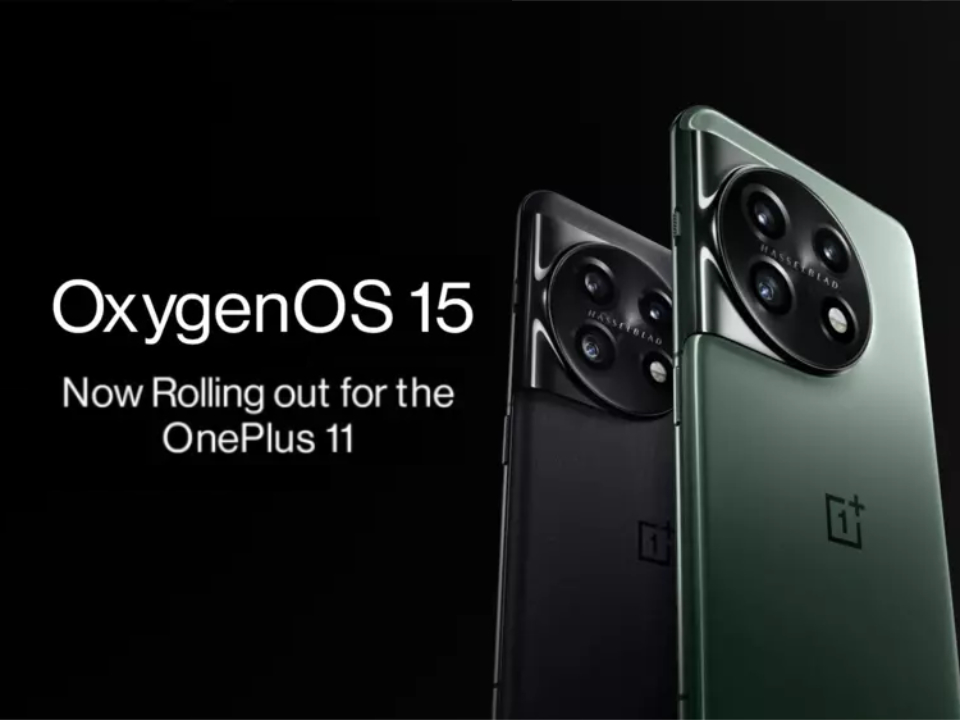
As we navigate the tail end of 2026, the mobile landscape remains locked in a familiar cycle. Major manufacturers, most notably OnePlus and Xiaomi, have been aggressively pushing their Android 15 beta programs to flagship users. These previews offer a tantalizing look at refined system UI, enhanced privacy sandboxing, and deeper AI integration. Yet, for those of us who still crave the tactile certainty of a physical QWERTY keyboard, these glossy updates serve as a stark reminder of the widening chasm between mainstream mobile development and our preferred form factor.
The Android 15 rollout, documented extensively by outlets like Android Authority, highlights a singular obsession in the industry: the glass rectangle. The beta builds emphasize edge-to-edge screen utilization and gesture-heavy navigation. According to XDA Developers, these manufacturers are optimizing their kernels specifically for high-refresh-rate displays and under-display hardware, leaving zero room in the engineering roadmap for the physical key inputs that define the BlackBerry experience.
The modern Android experience is being built for eyes and thumbs, prioritizing screen real estate over the ergonomic precision of a physical keyboard. While the software matures, the hardware remains stubbornly one-dimensional.
It is fascinating, and perhaps a bit disheartening, to see the sophistication of modern Android software paired with increasingly homogeneous hardware. As reported by The Verge, the latest beta iterations from Xiaomi focus heavily on multi-window multitasking that feels clunky without a dedicated tool-bar or physical shortcuts—features we once took for granted on devices like the Key2. The software gap is no longer just about compatibility; it is about intent. Android 15 assumes you want to tap, swipe, and slide, effectively sidelining the power user who prefers to type without looking down.
This software evolution presents a unique paradox. Android 15 is objectively more powerful than any OS that powered the classic BlackBerry era, with better file management, modular security, and connectivity features. However, it feels increasingly alien on touch-only glass. When you strip away the ability to use physical keyboard shortcuts—or Speed Keys—to trigger apps, compose emails, and scroll through long-form articles, the efficiency gains promised by these new Android builds simply vanish into the ether of touch latency.
For us, the QWERTY enthusiast, the tragedy isn't that Android 15 is bad; it is that it is irrelevant. We are watching the industry pour billions into refining the interface for a medium that sacrifices precision for immersion. While a glass slab might be perfect for media consumption, it remains an inferior vessel for the written word. We continue to hold the line, not because we are Luddites, but because we recognize that the speed of thought is best captured by the click of a button, not the friction of a fingerprint on glass.
Whether you are still rocking a classic device or searching for the next great enthusiast-led hardware project, there is plenty to discuss. Feel free to browse our community forums or check out our resource library to see how others are keeping the physical keyboard alive in an all-touch world.