The Glass Slab Monoculture: Why We Still Crave the Click
It is September 2026, and the smartphone landscape has reached a point of absolute, refined uniformity. If you walk into any carrier store today, you are greeted by a sea of polished glass, aluminum frames, and massive, bezel-less OLED panels. The recently released Google Pixel 9 series exemplifies this pinnacle of mainstream engineering. With its integration of advanced ambient computing, sophisticated AI-driven photography, and seamless software optimization, it is—by every objective metric—a triumph of modern technology.
Yet, for those of us who cut our teeth on the tactile precision of a BlackBerry Bold or a classic Curve, there is a lingering, hollow sensation when tapping on a flat screen. The mainstream flagship evolution has prioritized screen-to-body ratios and virtual fluidity at the expense of something fundamental: the physical connection between the user and their thoughts.
The Optimization Paradox
Modern flagships like the Pixel 9 have moved toward a "zero-bezel" design philosophy, where the device is essentially a portal for content consumption. According to The Verge, Google’s latest iteration leans heavily into AI-assisted interactions, moving away from traditional input methods in favor of voice, predictive text, and contextual awareness (theverge.com). While this makes for a sleek, futuristic experience, it effectively treats text input as a secondary chore rather than a primary function of a communication device.
"We have traded the mechanical feedback of a physical keyboard for the convenience of an algorithm that thinks it knows what we want to say before we do."
This is the crux of the divide. The mainstream market is chasing the "perfect" screen, while the niche community remains anchored to the idea that a phone is a tool for creation. As noted by Ars Technica in their coverage of modern smartphone hardware trends, the industry has spent the last half-decade perfecting the slab form factor, leaving virtually no room for hardware innovation that departs from the monolithic rectangle (arstechnica.com). For the average consumer, this is progress; for the QWERTY loyalist, it feels like the narrowing of our choices.
Tactility in a Virtual World
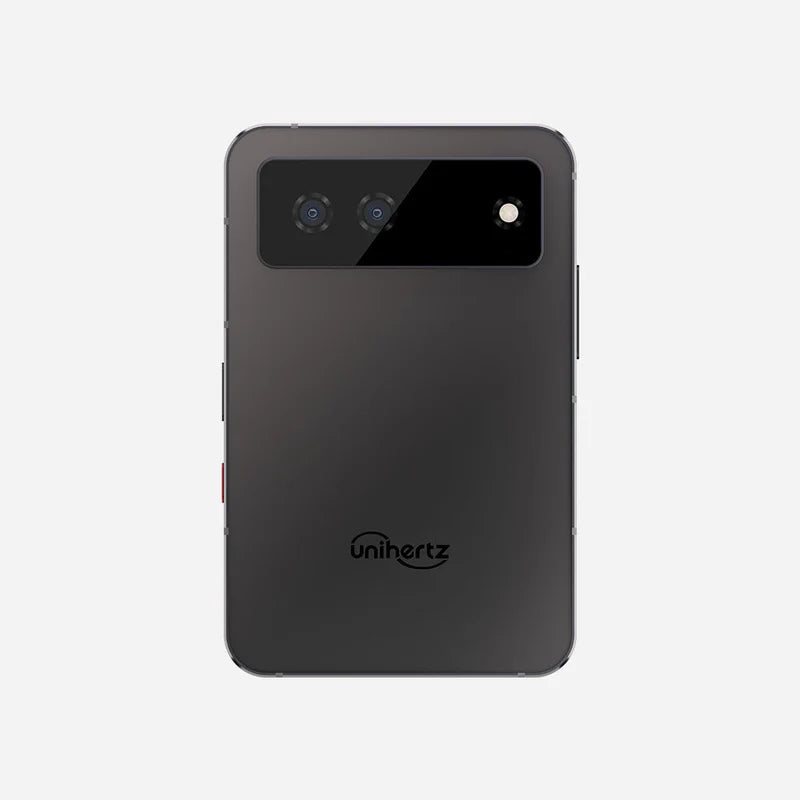
The tactile experience is not merely about nostalgia; it is about efficiency and accuracy. When you press a physical key, you receive haptic confirmation that the action has been registered. You can type in the dark, on a moving train, or while walking without keeping your eyes glued to a virtual keyboard that occupies 40% of your screen space. Comparing the Pixel 9’s immersive display to a physical QWERTY device, the difference is stark. While the Pixel offers an expansive canvas for photos and streaming, a dedicated keyboard device restores the screen to its proper role: displaying content rather than acting as a digital typewriter.
Even as mainstream devices push for thinner profiles and glass-heavy designs, the endurance of the QWERTY enthusiast community proves that there is a persistent demand for deliberate, tactile input. We aren't rejecting technology; we are rejecting the idea that "bigger and flatter" is the only definition of "better."
If you find yourself missing that satisfying "click" or simply want to learn more about how to keep the QWERTY flame alive in 2026, we invite you to browse our community forums or check out our curated resources section, where we track the latest independent projects keeping physical keyboards in our pockets.