The Pinnacle of Mobile Optics
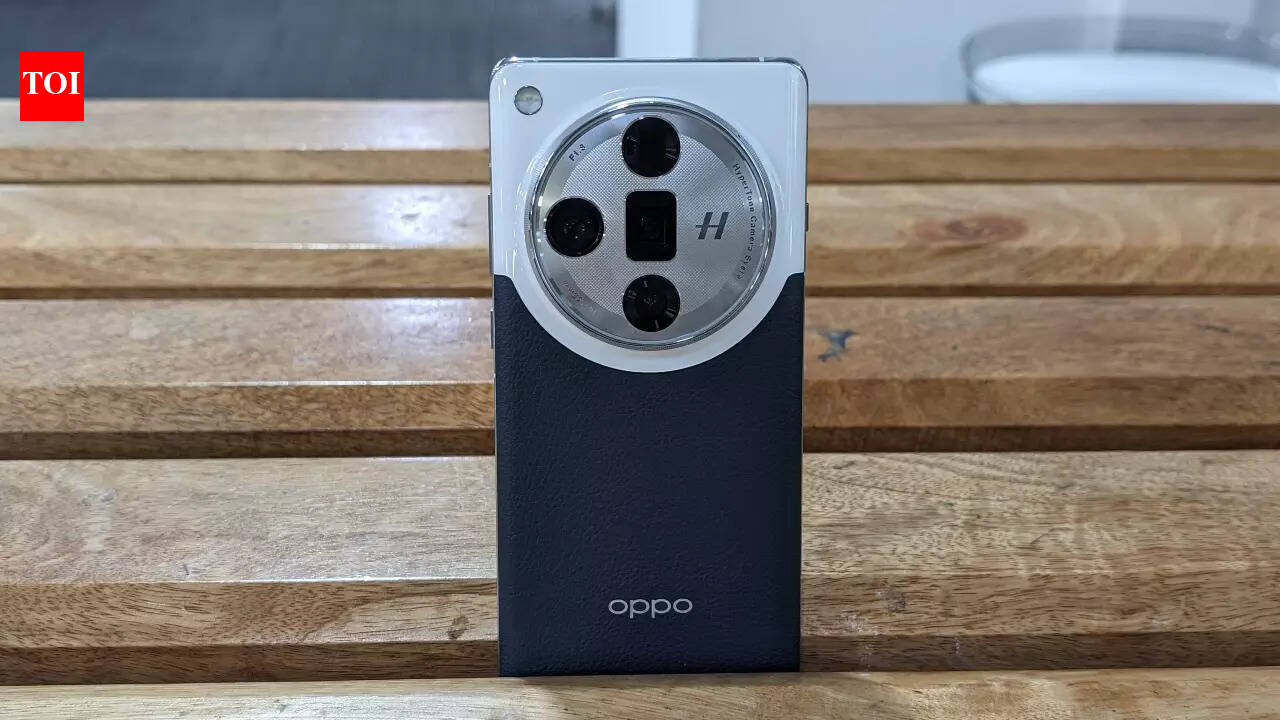
In the ever-evolving landscape of mobile technology, the Oppo Find X7 Ultra stands as a testament to the industry's relentless pursuit of photographic perfection. As the world's first smartphone to feature a dual-periscope telephoto system, it represents a significant leap in hardware engineering. By integrating two dedicated periscope lenses—offering 3x and 6x optical zoom—alongside a massive 1-inch Sony LYT-900 primary sensor, Oppo has effectively turned the device into a pocket-sized studio [6]. Developed in partnership with Hasselblad and powered by the HyperTone Image Engine, the device ensures that every shot, from macro close-ups to long-range telephoto, maintains professional-grade clarity [1] [3].
The Cost of Innovation
The Find X7 Ultra is a marvel of modern engineering, yet it serves as a stark reminder of the industry's singular focus on glass and silicon over the tactile satisfaction of a physical keyboard.
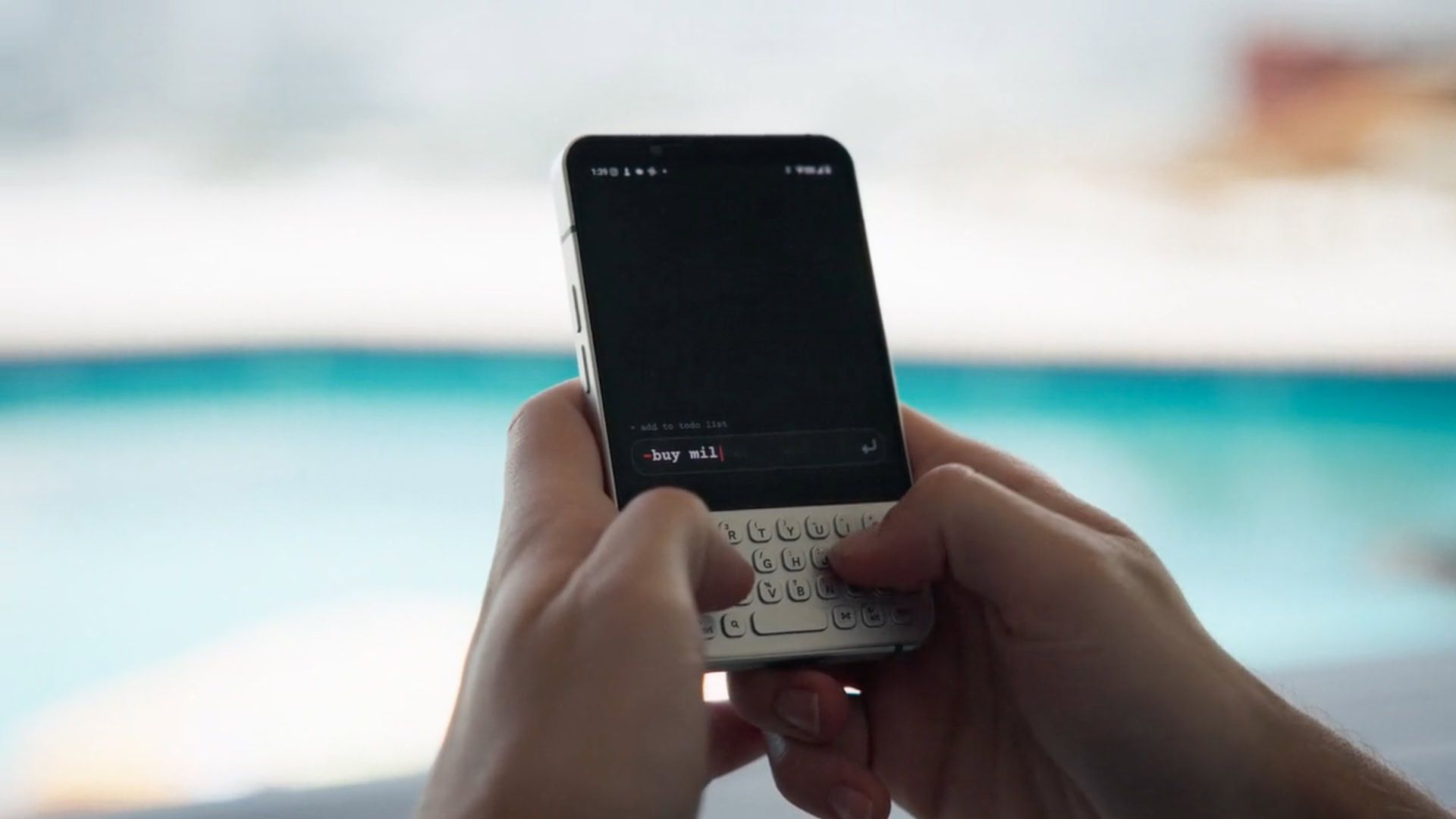
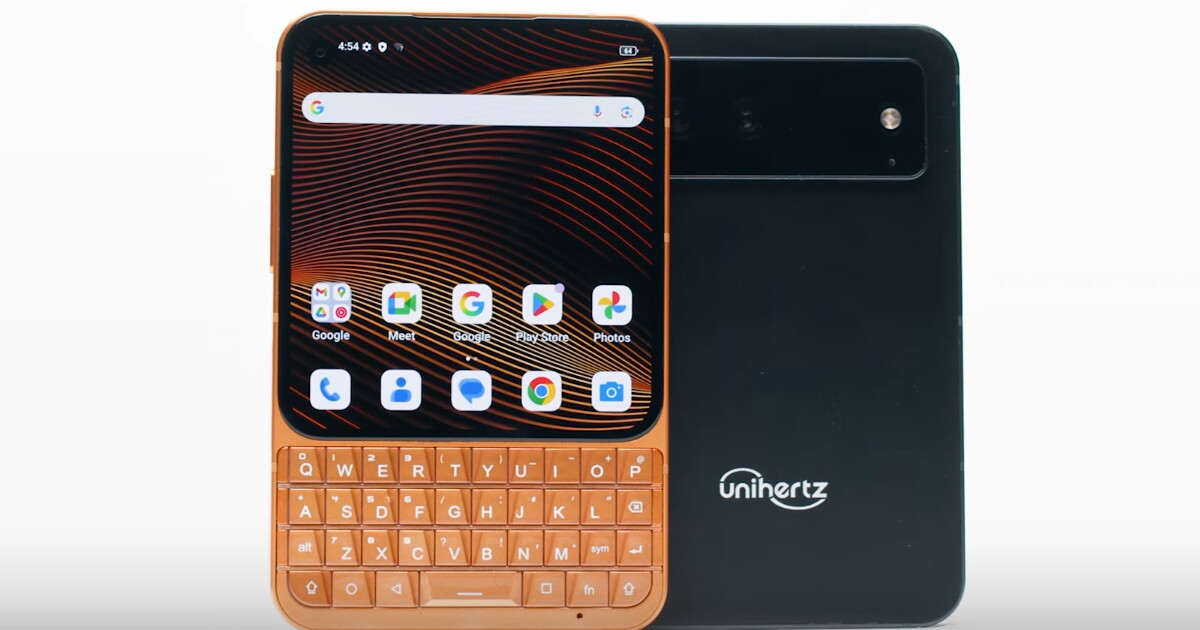
While the Find X7 Ultra is undeniably a powerhouse, its existence highlights a broader trend: the total dominance of the glass-slab form factor. For those of us who still crave the mechanical click of a QWERTY keyboard, devices like this are bittersweet. We admire the technical prowess required to fit such complex optics into a slim chassis, but we cannot help but notice that the space once reserved for physical input methods has been entirely surrendered to camera modules and larger batteries. In the modern flagship era, the keyboard has been sacrificed at the altar of the lens.
If you are looking to revisit the golden age of mobile productivity or simply want to see how modern hardware stacks up against the classics, we invite you to browse our community forums and resource archives. Whether you are a die-hard QWERTY enthusiast or just curious about the history of mobile design, there is plenty to explore.