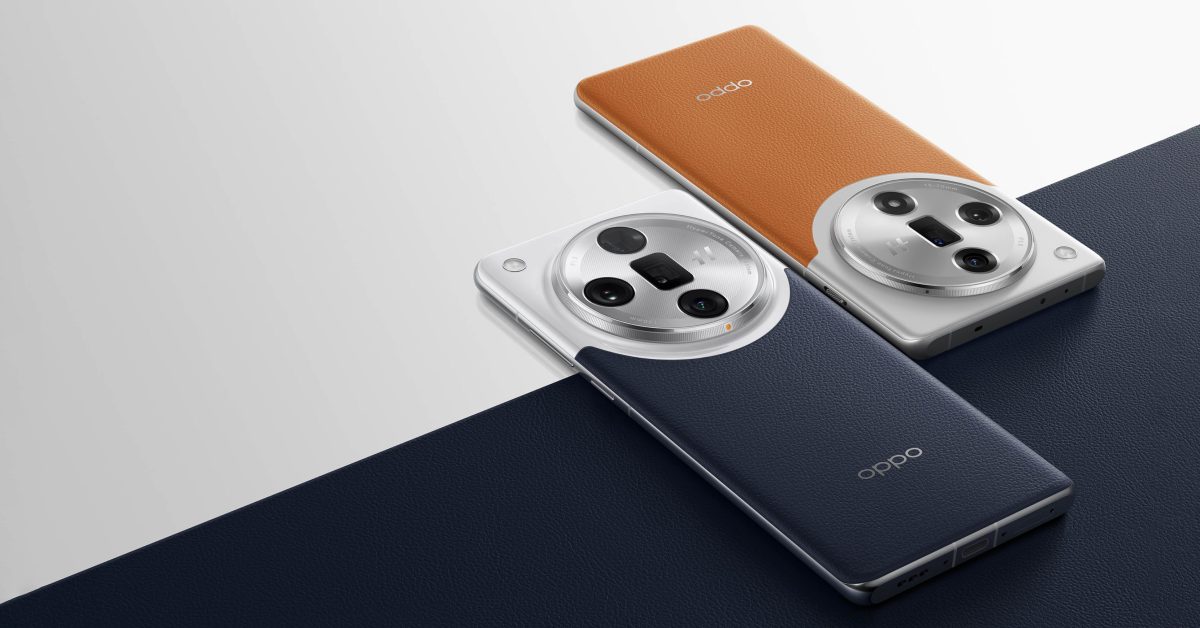
The smartphone industry has long settled into a rhythm of iterative refinement, and the Xiaomi 15 series—comprising the base 15, the Pro, and the formidable Ultra—stands as the latest testament to this evolution. Launched throughout late 2024 and early 2025, these devices represent the pinnacle of the "slate" form factor, prioritizing raw processing power and expansive, high-resolution displays over tactile input methods.
Power Under the Glass
At the heart of the Xiaomi 15 lineup lies the Qualcomm Snapdragon 8 Elite chipset, a powerhouse that drives the series' performance-first philosophy. With features like the LTPO AMOLED displays and advanced Leica-engineered camera systems, these phones are designed to be multimedia hubs. As noted in technical specifications, the series pushes the boundaries of what a handheld device can achieve in terms of raw computational speed and imaging capability [2] [3].
The shift toward premiumization in the 2026 market highlights a consumer preference for high-performance flagships that serve as all-in-one digital workstations, even as the broader smartphone market faces shipment volatility.
For those of us who still cherish the tactile feedback of a physical keyboard, the Xiaomi 15 series serves as a stark reminder of the industry's trajectory. While these devices offer unparalleled screen real estate and fluid software experiences via HyperOS, they lack the deliberate, mechanical precision that defined the golden age of QWERTY devices. Where we seek the satisfying click of a key to confirm an input, the modern flagship relies entirely on haptic feedback and glass-based interfaces, prioritizing a seamless, uninterrupted display over the ergonomic utility of a physical layout [7] [4].
We invite you to browse our community forums to discuss how these modern flagships compare to your favorite legacy devices, or check out our resources section for tips on maintaining your classic hardware in an increasingly touchscreen-dominated world.