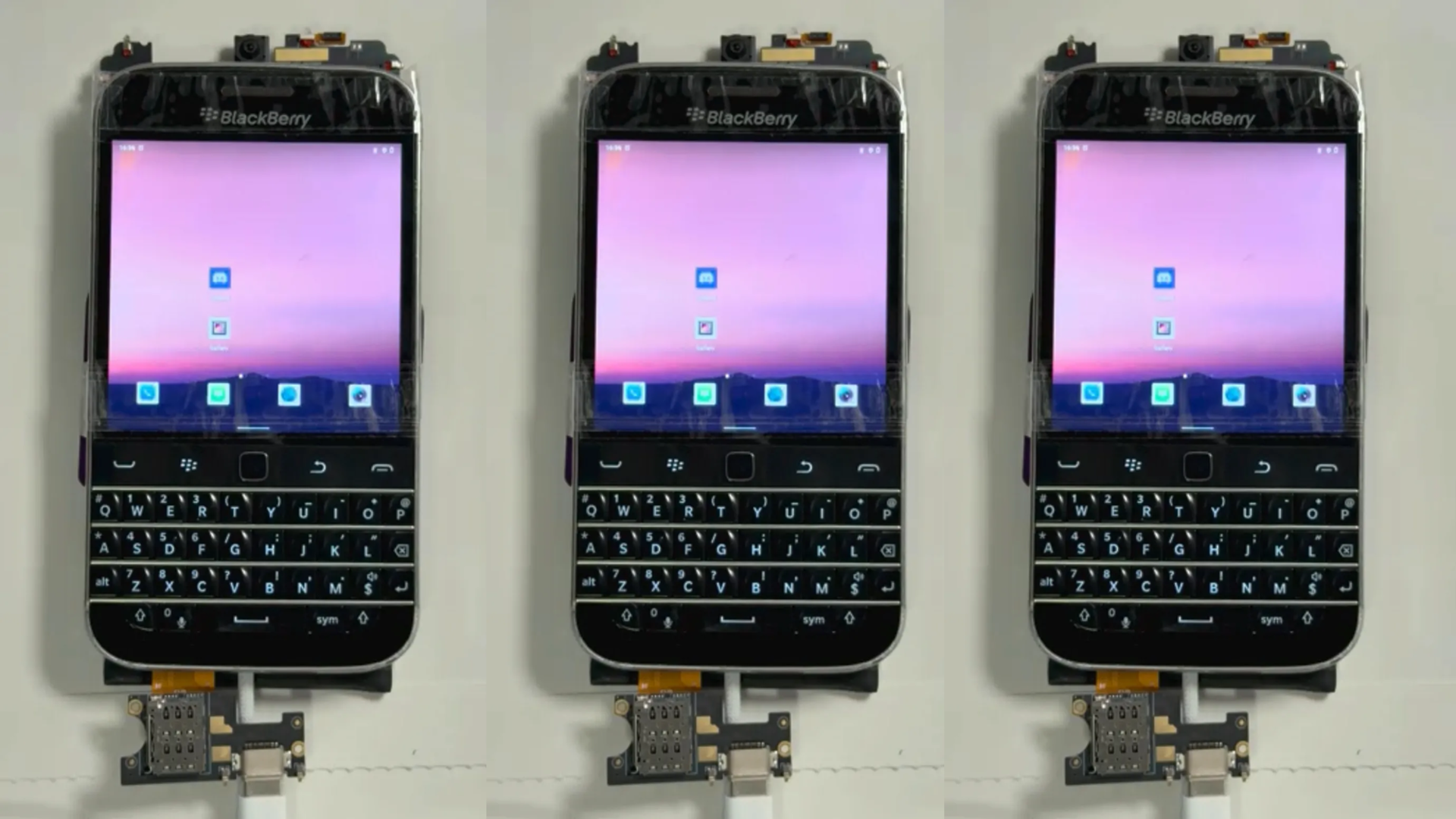
For anyone who still preserves a lingering fondness for the Waterloo golden era, modern smartphone design has spent years resembling an endless sea of identical glass slabs. Yet the appetite for physical typing has refused to vanish. Capitalizing on that persistent demand, Clicks Technology—co-founded by mobile tech reviewer Michael Fisher and CrackBerry’s Kevin Michaluk—has expanded its physical keyboard ecosystem deep into the Android landscape, bringing real tactile frets and thumb keyboards to Google Pixel devices and Motorola’s Razr foldables.
Typing on Glass Is Optional Again
When Clicks originally surfaced for iOS, it served as an audacious proof of concept: wrap a modern smartphone in a molded case with an integrated hardware keyboard, connect via USB-C, and banish virtual on-screen keys forever. According to reporting from The Verge, after exceeding 100,000 units shipped, the company moved decisively to serve long-deprived Android users with dedicated cases for the Google Pixel 9 series, Samsung Galaxy flagships, and Motorola's Razr family.
For Pixel owners, the accessory restores half the screen real estate routinely cannibalized by virtual software boards. Android's native architecture also lends itself exceptionally well to hardware key integration. Users can map system-level shortcuts, jump between open apps with a single key press, trigger Gemini features, and deploy launcher shortcuts reminiscent of classic BlackBerry workflows.
"Clicks has finally made me upgrade from my BlackBerry KEY2... Finally, I can type with precision and speed on a new phone without needing to go to a laptop."
Foldables Meet the Classic Thumb Board
While stretching a Pixel 9 Pro into a taller footprint is a familiar compromise for keyboard devotees, pairing Clicks with Motorola's flip format unlocks an entirely fresh dynamic. As detailed by Liliputing, fitting a hardware keyboard case onto the Motorola Razr (spanning the Razr 2024 through the Razr Ultra lines) turns the phone's cover display into an ultra-compact typing deck. Rather than flipping open a 6.9-inch internal screen merely to reply to an email, users can bash out responses directly from the external screen using tactile buttons.
The Razr execution addresses the primary historic ergonomic complaint leveled against add-on keyboards: device height. When folded, the clamshell plus keyboard mimics the stubby, palm-friendly aspect ratio of a classic BlackBerry Pearl or compact messenger, while keeping modern folding panel tech tucked safely inside for media consumption.
How Does It Stack Up Against True QWERTY Hardware?
Purists will inevitably ask whether a bolt-on accessory can truly supplant dedicated QWERTY hardware like the BlackBerry Bold 9900 or the KEY2. Because these are standard full-touch Android devices wearing an external peripheral, you do not get integrated sub-chassis weighting or the sculpted click-pads built directly into a unibody frame. The resulting package is undeniably top-heavy compared to classic integrated designs. Nevertheless, with sculpted key caps, backlighting, reliable USB-C passthrough, and zero input lag, it delivers the closest genuine tactile typing experience mainstream modern hardware has seen in nearly a decade.
If you are exploring ways to bring tactile productivity back to your pocket setup, check out our community forums and hardware guides to see how fellow enthusiasts are configuring custom keymaps, launchers, and holsters for modern keyboards.