A Milestone in the Making
As we look toward 2027, the mobile industry is buzzing with anticipation for the iPhone’s 20th anniversary. Since the original device debuted in 2007, Apple has consistently sought to redefine the smartphone form factor. Current reports suggest that for this milestone, the company is preparing a significant design overhaul, often described as a "glass-centric" approach to the flagship Pro models.
Navigating Manufacturing Realities
The path to this redesign has not been without speculation. Earlier in 2026, rumors circulated that Apple had scrapped its anniversary plans entirely due to manufacturing yields. However, subsequent reporting has clarified that while an initial, more radical "all-glass" concept was indeed abandoned due to the immense difficulty of joining glass panels at scale, the broader vision remains very much alive.
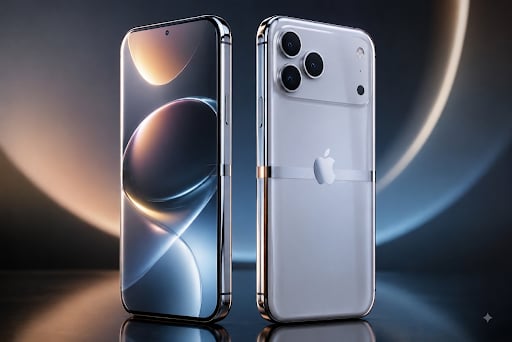
The current plan involves a metal band connecting the front and back glass panels, while retaining glass that curves around all four sides.
According to industry insiders, Apple is currently testing designs—internally codenamed V73 and V74—that utilize a quad-curved screen. By minimizing bezels and wrapping the glass around the edges, Apple aims to create the visual effect of a seamless, borderless display. This strategy mirrors the company's historical preference for making complex engineering feats feel like a simple, unified user experience.
The Evolution of the Slab
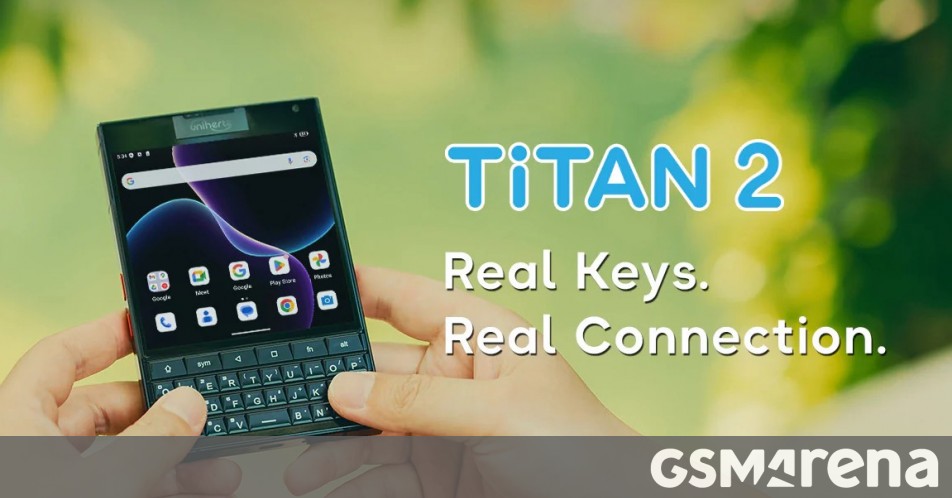
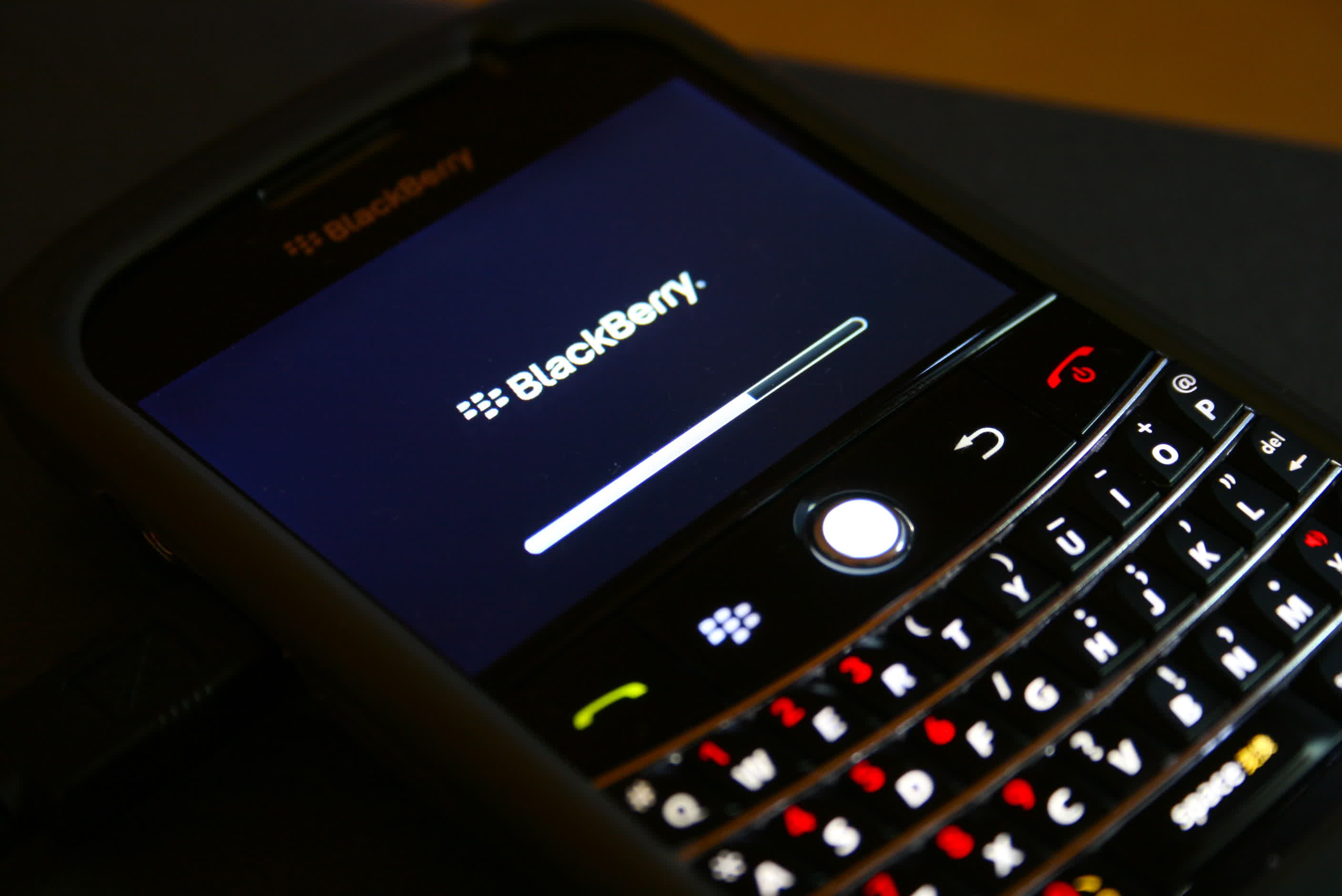
While this glass-heavy aesthetic represents a major shift for the iPhone, it remains firmly rooted in the "glass slab" paradigm that has dominated the industry for two decades. For those of us who still cherish the tactile precision of a physical QWERTY keyboard, this evolution highlights a widening divide. While Apple chases the dream of a device that feels like a single, uninterrupted piece of glass, many of us continue to find that true productivity and a satisfying typing experience require the physical feedback that only a dedicated keyboard can provide. A screen that curves into the frame may look stunning, but it offers little to the user who values the deliberate, mechanical click of a well-engineered key.
If you are interested in the latest news on mobile hardware, or if you want to explore our community discussions on the enduring appeal of physical keyboards, please feel free to browse our site’s resources and forums.