A Long-Awaited Arrival
For those of us who have spent years lamenting the loss of the tactile, clicky satisfaction of a dedicated QWERTY keyboard, the arrival of the original Minimal Phone is a significant moment. After a development cycle that tested the patience of its crowdfunding community, the device has officially begun shipping to backers. This milestone marks the transition of the Minimal Phone from a concept on Indiegogo to a tangible piece of hardware in the hands of users.
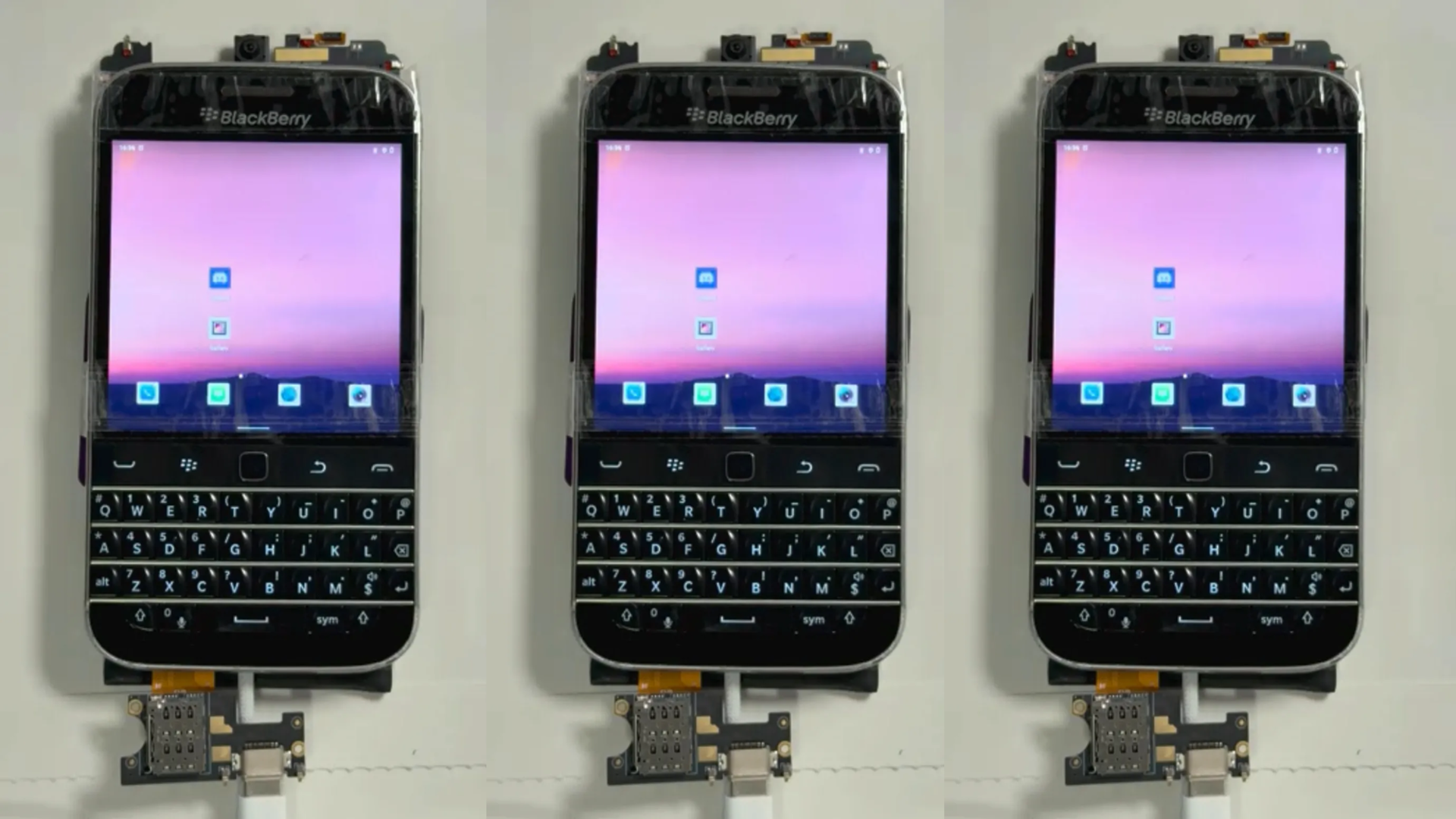
The Minimal Phone looks a bit like a BlackBerry, with a wide body and a squat screen perched above its streamlined QWERTY keyboard.
What sets this device apart in a sea of glass slabs is its commitment to a distraction-free philosophy. By pairing a monochrome E Ink display with a physical keyboard, the device forces a shift in how we interact with our digital lives. While it runs Android 14, the inherent limitations of the E Ink panel naturally discourage the endless scrolling and high-intensity media consumption that define modern smartphone usage. It is a device built for communication and utility, prioritizing the tactile joy of typing over the frantic pace of modern app ecosystems.
Navigating the Challenges
The road to this shipping milestone was not without its hurdles. The Minimal Company faced several delays during the development process, often citing the need to refine the E Ink display's refresh rates to ensure a usable experience. These challenges are common in the world of niche hardware, where balancing experimental display technology with a functional operating system requires significant engineering effort. Despite these setbacks, the successful delivery of the units proves that the project has moved well beyond the "vaporware" concerns that often plague crowdfunded tech.
It is worth noting that the company has already moved forward with the Minimal Phone 2, which pivots to an AMOLED display while retaining the beloved physical keyboard. However, the original model remains a landmark device for those who believe that the future of mobile productivity should be rooted in the physical keys that defined a generation of mobile computing.
If you are interested in diving deeper into the world of physical keyboards or want to see how these modern alternatives compare to the classic devices we all remember, we invite you to browse our community forums and resource library for more insights.