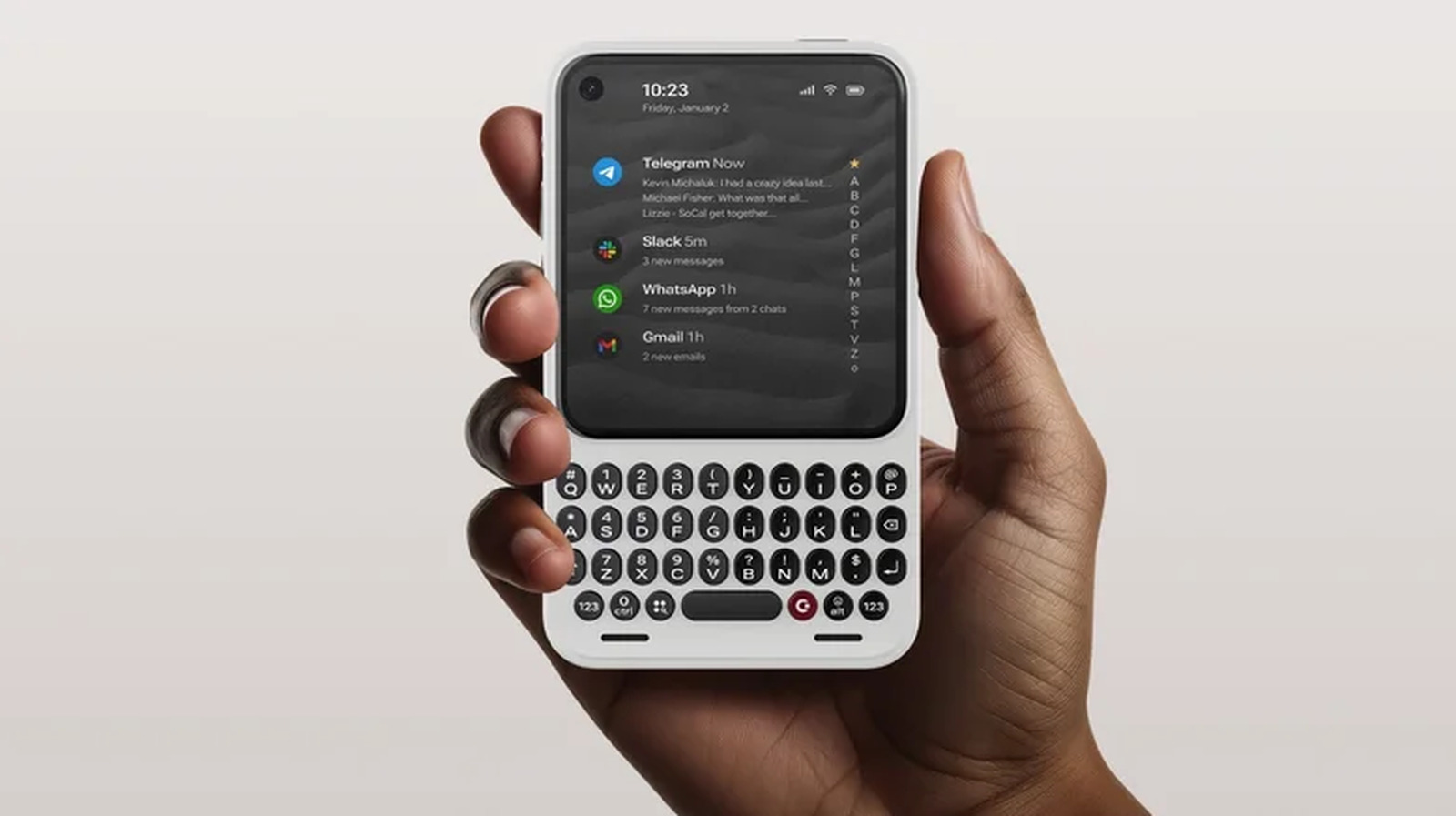
For those of us who still crave the tactile satisfaction of a physical keyboard, 2026 has proven to be a year of unexpected validation. While the industry spent the last decade convincing us that a flat pane of glass was the pinnacle of mobile interaction, a growing segment of users is pushing back. We are witnessing a genuine "QWERTY Renaissance," where the desire for precision and digital intentionality is outweighing the convenience of the standard touchscreen.
The Two Paths of Tactile Input
The current market for physical keyboards has bifurcated into two distinct solutions. On one side, we have dedicated hardware like the Unihertz Titan 2 and the upcoming Titan 2 Elite. These devices are built for the purist, integrating a full QWERTY layout directly into an Android-powered smartphone [Fast Company]. They serve as a bridge for those who refuse to compromise on app compatibility while demanding the hardware-level text navigation that only a physical board can provide [Alibaba].
On the other side, we have the rise of modular accessories. Products like the Clicks keyboard case have transformed the landscape for iPhone and Android users who aren't ready to abandon their flagship devices. By offering a snap-on physical interface, these accessories allow users to reclaim screen real estate previously lost to virtual keyboards [BGR].
The shift toward physical keyboards is driven less by nostalgia and more by measurable usability gaps in touchscreen-first design. Research suggests that physical keypads can reduce typos by up to 37% compared to virtual alternatives.
Why the Shift Matters
This isn't just about retro-tech enthusiasts clinging to the past. The 2026 market analysis indicates that users are increasingly seeking "digital minimalism." By choosing a device with a physical keyboard, users are often signaling a preference for intentional communication over the endless, distracting scroll of modern touch-first interfaces [Accio].
While some critics argue that the physical keyboard is an unnecessary relic, those of us who spend our days drafting emails or managing complex workflows know the truth: there is no substitute for the physical click. Whether you opt for a dedicated QWERTY handset or a modern accessory, the goal remains the same: reclaiming control over how we interact with our digital lives.
If you are looking to dive deeper into the world of tactile mobile devices, we invite you to browse our community forums and resource guides. Whether you are a long-time BlackBerry loyalist or a newcomer curious about the benefits of physical input, there is a wealth of information waiting to help you find your next daily driver.


