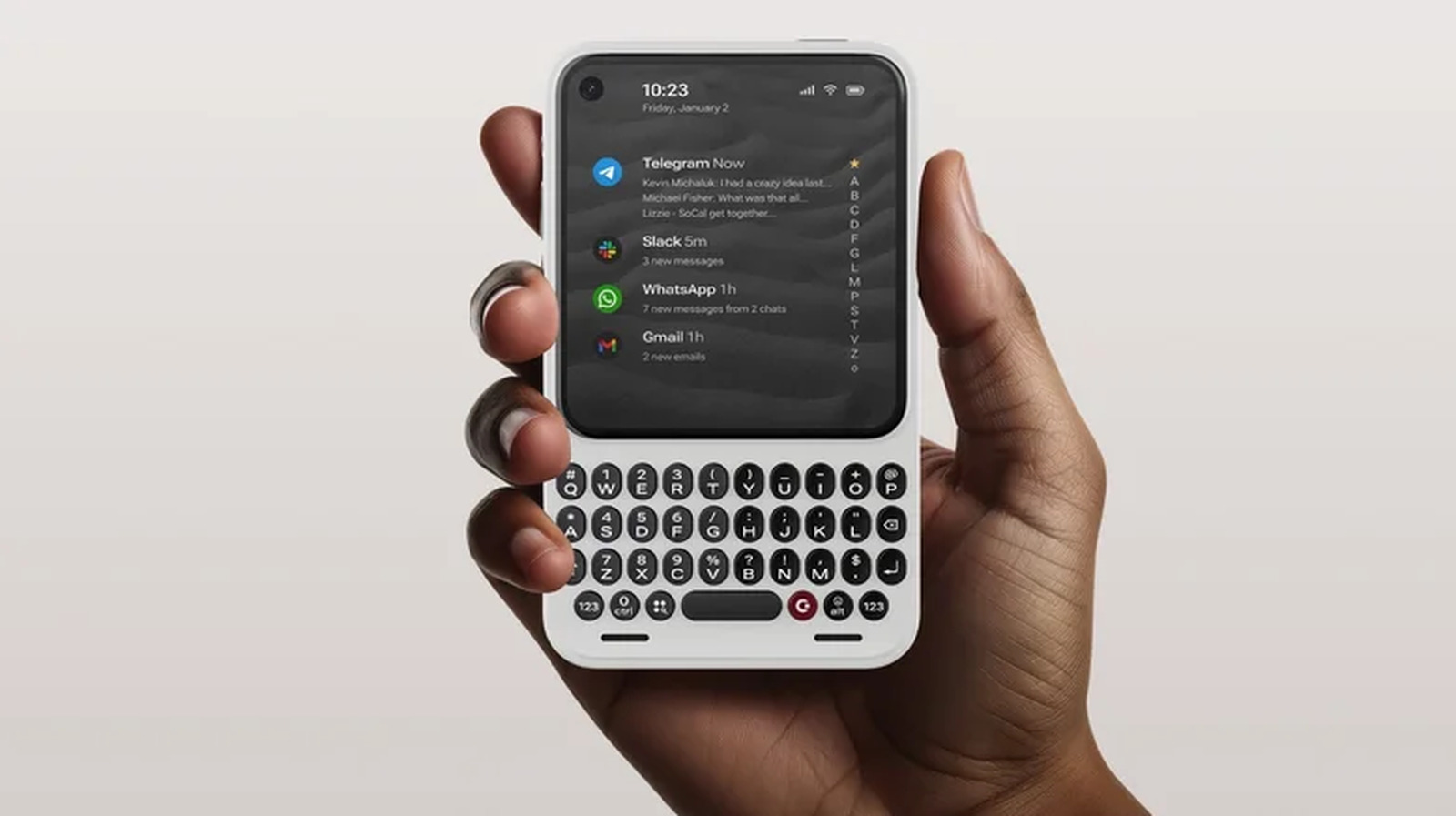
For nearly a decade following the gradual retreat of original BlackBerry hardware, the modern smartphone landscape coalesced into an unyielding monoculture. Every flagship—from iterative iPhones to Galaxy flagships—became an identical slab of seamless glass engineered specifically to maximize screen real estate and demand our attention. Yet in 2026, a growing sense of screen fatigue and algorithmic overload has triggered a fascinating hardware renaissance: the physical QWERTY keyboard is back, thriving as an intentional productivity tool and an antidote to passive consumption.
The Intentionality of Tactile Hardware
What began as retro curiosity has quickly hardened into a bona fide hardware movement. As highlighted in BGR's analysis of the 2026 keyboard revival, consumers are increasingly seeking handsets that prioritize deliberate input over infinite doom-scrolling. When you pick up a device with clicky mechanical switches and a smaller display, the psychological affordance shifts. You are holding an instrument designed for communication, drafting, and rapid correspondence, not a pocket billboard for algorithmic feeds.
Reporting from outlets like CNBC on smartphone startups reviving physical keyboards underscores that today's market is no longer driven purely by rose-tinted nostalgia. Young professionals and seasoned typists are choosing hardware keys for accuracy and focus, actively adopting them as dedicated secondary handsets to quarantine work emails and messaging away from distracting entertainment hubs.
Modern Silicon Meets Classic Keyboards
Crucially, 2026’s QWERTY handsets do not force owners to compromise on contemporary silicon. Unihertz made waves on Kickstarter with the Titan 2 Elite series, packing 5G connectivity, modern Android builds, and 120Hz panels below tactile frets. Meanwhile, startups targeting digital minimalism are taking bold iterations: the Minimal Phone 2 launched by Minimal Company pairs a 3.92-inch OLED panel with a MediaTek Dimensity 8300 and an aluminum, keyboard-first chassis engineered to discourage mindless thumb-swiping while preserving fast typing speeds.
"Smartphone users who do a lot of typing may appreciate physical keyboards over virtual ones... reducing screen time, as content consumption on a smaller display may not be as appealing."
Add to this the standalone Clicks Communicator smartphone and dedicated tactile cases like the Clicks accessories and Akko Metakey, and it becomes obvious that physical feedback is once again a premier differentiator. By shrinking display canvas in favor of dedicated physical rows, these phones draw a sharp boundary between being productive and wasting hours on visual noise.
Whether you are hunting for a secondary digital-detox companion or yearning to recapture the gold standard of mobile productivity, there has never been a better time to tap back in. Head over to our community forums and hardware shop to share your daily setups, compare notes on new QWERTY releases, and find the perfect tactile companion.


