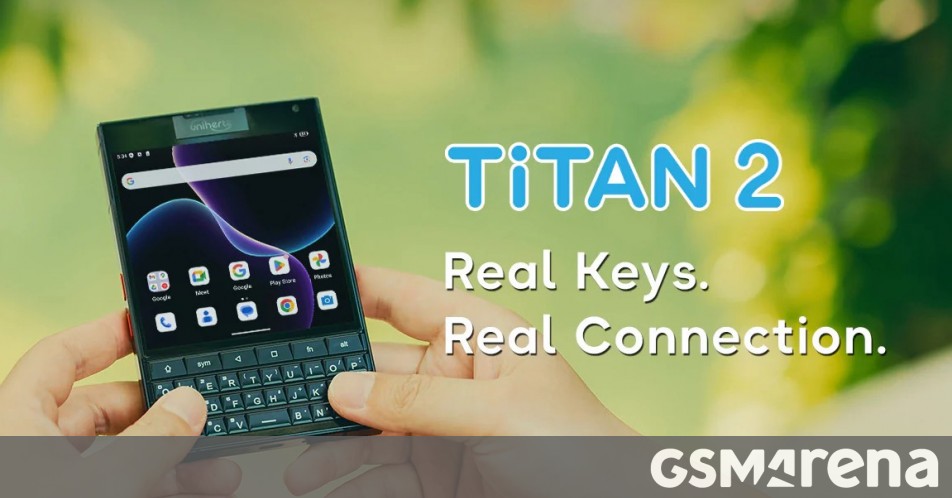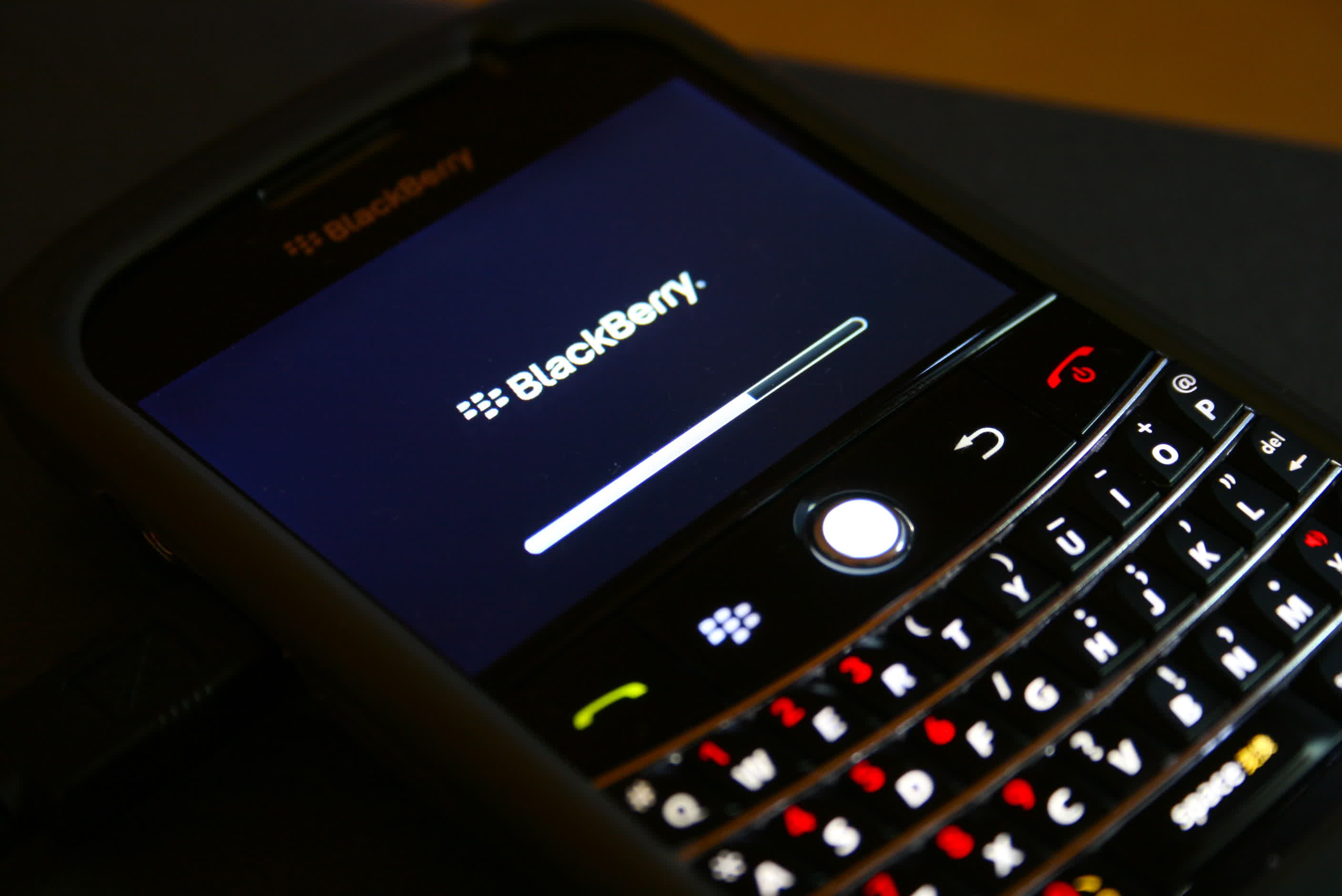
For years, the narrative in mobile technology seemed settled: the glass touchscreen had won. Following the decline of BlackBerry’s hardware division, the industry converged on the uniform, bezel-less slab. Yet, as we navigate 2026, a fascinating counter-movement is gaining momentum. Startups like Clicks Technology and Unihertz are proving that for a dedicated subset of users, the tactile click of a physical key remains an essential tool rather than a relic of the past.
The Case for Tactile Input
The current debate centers on whether the efficiency of modern touch interfaces truly surpasses the precision of physical buttons. Proponents of the QWERTY revival argue that physical keys offer a level of accuracy that virtual keyboards—often plagued by software bugs or accidental mis-taps—simply cannot match. As noted by recent industry reports, these devices are not merely catering to nostalgia; they are addressing real-world needs, including accessibility for users with motor control challenges or low vision who find physical buttons far more reliable than glass surfaces Revival of Blackberry nostalgia and keyboard fuels smartphone startups.
The shift to glass touchscreens heralded by the original iPhone has enabled far greater visibility and functionality in mobile experience, a subset of tech fans longs for the bygone days of physical keyboards and buttons.
The market response has been tangible. At CES 2026, the unveiling of the Clicks Communicator and the Power Keyboard accessory highlighted a dual approach: creating dedicated hardware for the purist and modular accessories for the pragmatist Physical keyboards are back: two new BlackBerry-style phones to launch in 2026. These devices allow users to reclaim screen real estate, as thumbs no longer need to obscure the display while typing, a common frustration with modern virtual keyboards This Tiny Smartphone Packs a Pocket-Friendly Physical Keyboard.
Efficiency vs. Evolution
Critics of the trend often point to the versatility of the modern smartphone, where the screen is the primary interface for everything from media consumption to complex app navigation. However, the 2026 landscape suggests that the "one-size-fits-all" approach is losing its grip. For those who prioritize long-form communication, email, and documentation, the physical keyboard is being repositioned as a productivity-first feature. By integrating these keyboards into modern Android ecosystems, manufacturers are bridging the gap between the classic BlackBerry experience and the demands of contemporary 5G connectivity Clicks is bringing a BlackBerry-style phone and a pocket keyboard to CES 2026.
Whether this trend remains a niche for enthusiasts or forces a broader shift in smartphone design remains to be seen. What is clear is that the tactile experience is no longer considered "dead"—it is evolving.
If you are looking to dive deeper into the world of tactile mobile computing, we invite you to browse our community forums and resource library, where we track the latest in QWERTY hardware and share tips for optimizing your device for maximum productivity.