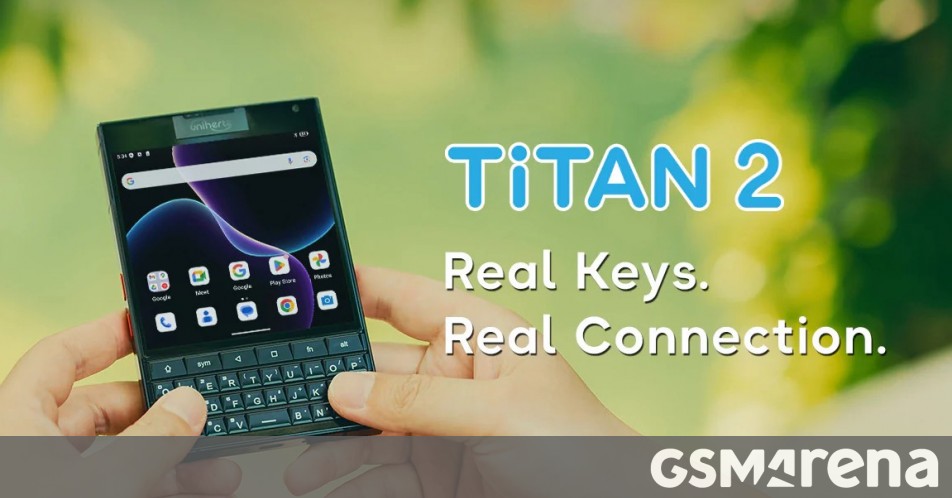
For years, physical keyboard purists have relied on small, audacious hardware builders to keep the clicky dream alive. Chief among them has been Unihertz, whose Titan family showed the industry that tactile typing still commands a fierce and loyal following. Yet as boutique OEMs map out their roadmaps for 2026, an unforgiving economic reality has settled over the factory floor: a worldwide crunch on semiconductor memory that is rattling hardware programs across the globe.
When Silicon Leaves the Assembly Line Behind
The core bottleneck will sound familiar to anyone watching component headlines. Semiconductor fabrication plants have heavily pivoted their capital expenditure and silicon lines toward high-margin High-Bandwidth Memory (HBM) and enterprise data center modules designed for artificial intelligence workloads. As detailed in market analysis from IDC, the industry’s long-standing trend of delivering higher memory tiers at budget-friendly price points has effectively reversed, creating deep supply imbalances throughout 2026.
While smartphone heavyweights like Apple and Samsung can leverage massive purchase orders and year-long forward contracts to cushion component swings, smaller players operate in a vastly different climate. With memory now commanding a substantially higher share of overall bill-of-materials costs, boutique brands are facing hard trade-offs between passing price spikes directly onto customers or dialing back final hardware specifications.
Boutique phone makers face a brutal calculus: swallow ballooning DRAM margins, hike hardware prices for enthusiasts, or trim memory trims before hitting tooling lines.
The Keyboard Equation: Squeezing RAM into Niche Handsets
According to hardware supply chain insights from EnkiAI, soaring component costs are depressing device unit volumes worldwide as component inflation ripples across consumer electronics. For makers of dedicated QWERTY hardware, that pressure is uniquely compounded. Designing an uncompromising physical keyboard phone already demands custom tooling, dedicated matrix controllers, and non-standard form factors that lack the economies of scale enjoyed by generic glass slabs.
For Unihertz, this dynamic creates immediate friction as it evaluates production tiers for upcoming keyboard handsets. Where fans have come to expect generous memory envelopes—allowing power users to juggle side-by-side terminal emulators, messaging hubs, and productivity software without aggressive background app killing—volatile DRAM pricing means product teams must scrutinize every gigabyte. Engineering teams must weigh whether a flagship 12GB variant is economically viable, or if stabilizing around an optimized 8GB tier offers a safer hedge against unpredictable supply lines.
Tactile Resilience in Lean Times
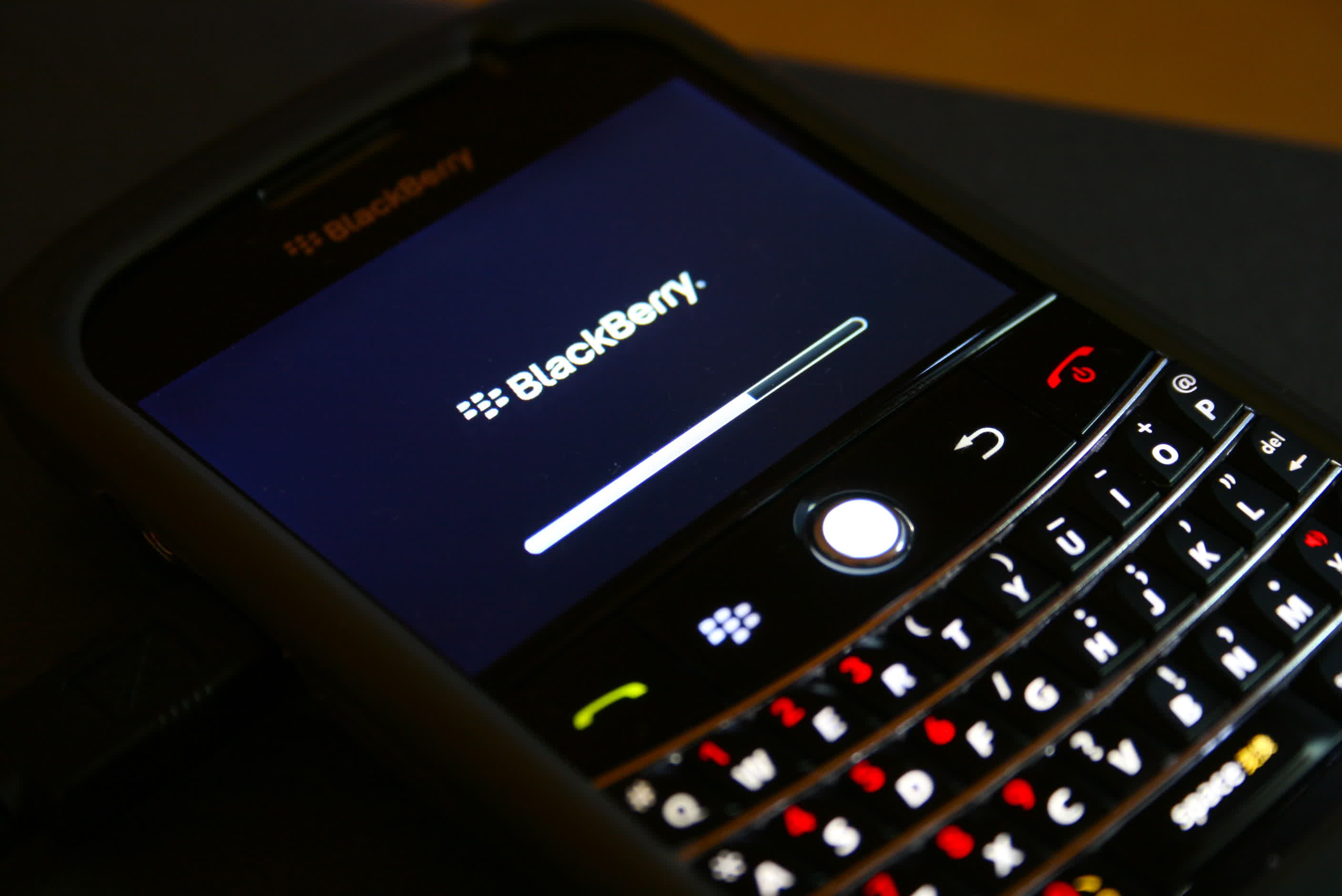
Despite these production hurdles, the keyboard community has always been defined by pragmatic resourcefulness. Long before modern multi-gigabyte Android implementations, BlackBerry OS and early handheld platforms squeezed miraculous multitasking out of modest memory footprints. If supply-chain headwinds force Unihertz and its peers to refine software efficiency and preserve affordable hardware retail tiers, veteran typists will gladly trade inflated spec-sheet bragging rights for a dependable, responsive physical deck that actually ships.
If you share our passion for physical buttons and thoughtful hardware design, take a spin through our community forums and curated resources to join the conversation, share custom keymapping setups, and discover accessories built for the modern typing enthusiast.