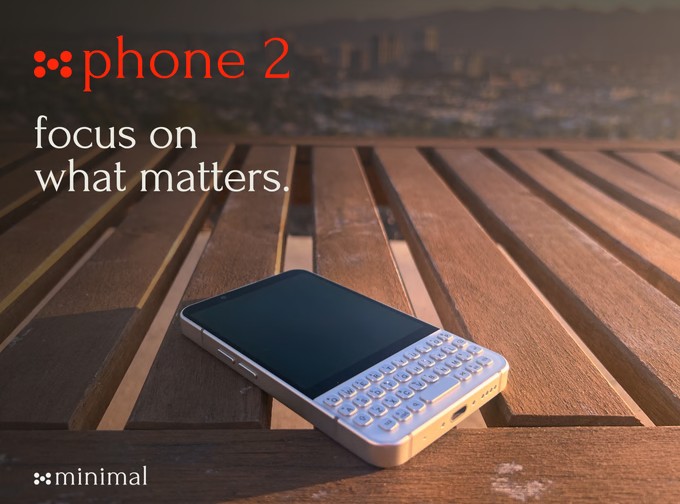
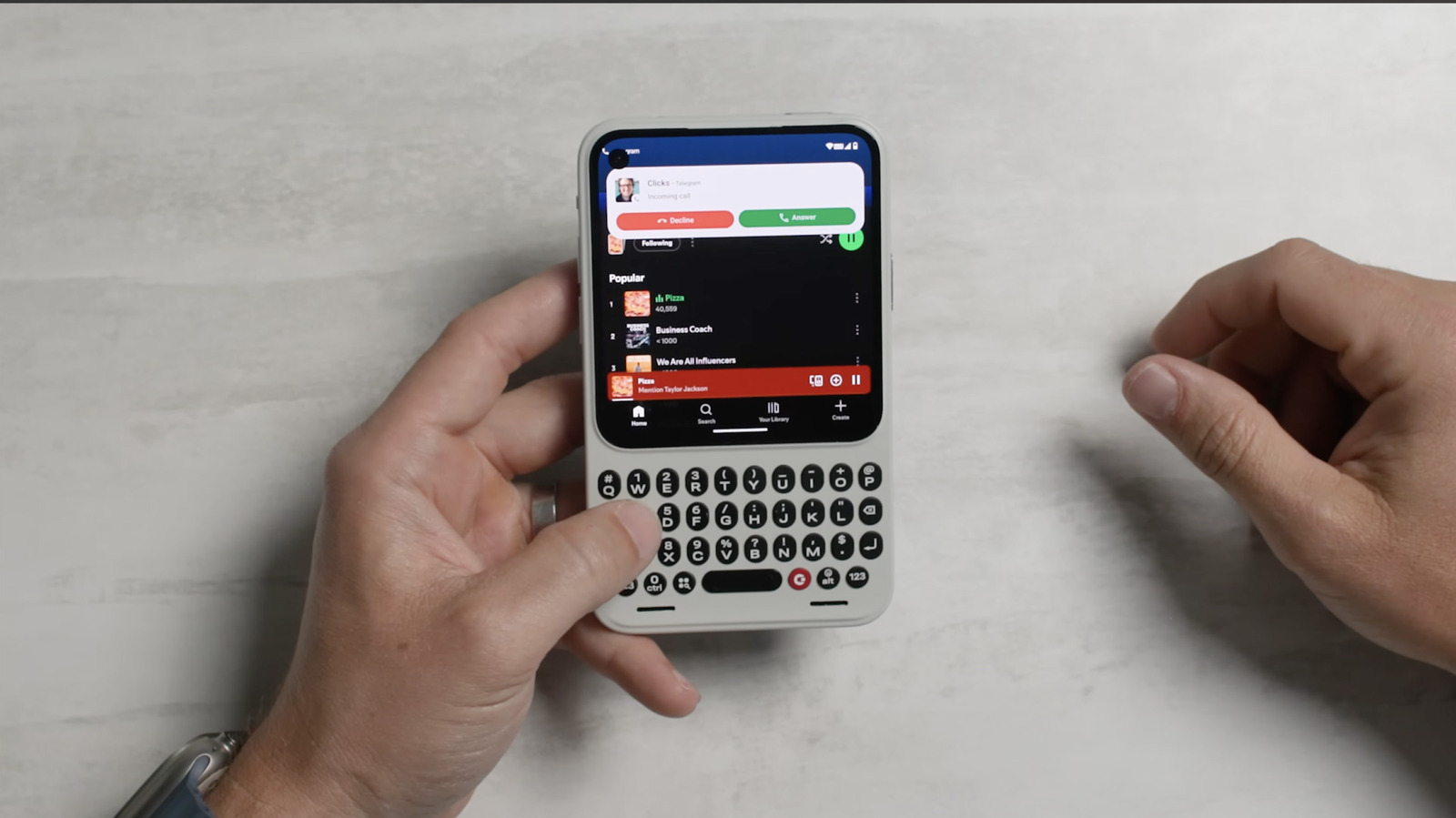
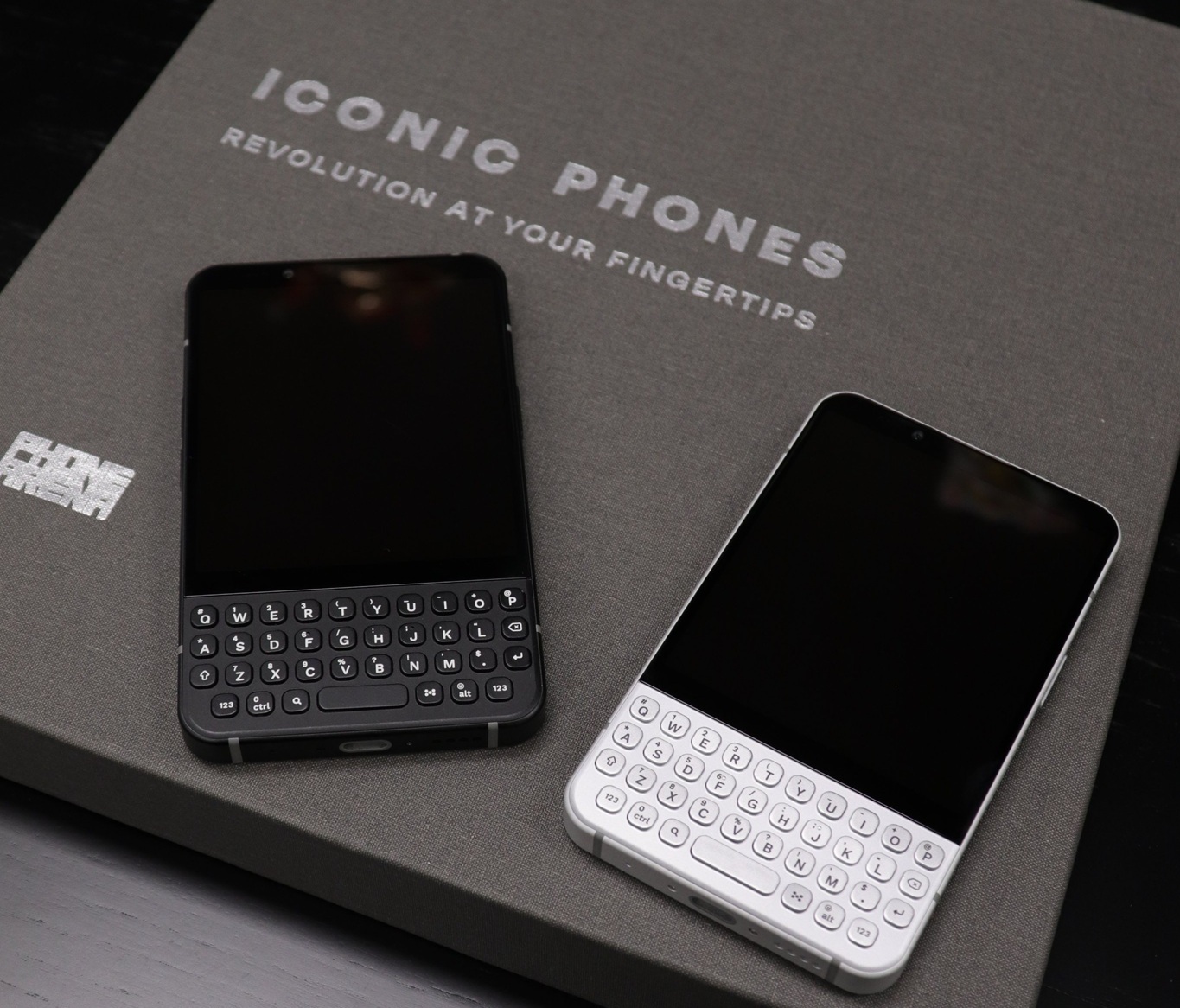
For those of us who still dream of the tactile satisfaction of a physical QWERTY keyboard, the landscape of modern smartphones has been a barren desert for years. However, Unihertz has consistently acted as an oasis, and their latest project, the Titan 2 Elite, is shaping up to be their most refined effort yet. Announced in early 2026, this device moves away from the ultra-rugged, bulky aesthetic of its predecessors to embrace a design language that feels like a direct spiritual successor to the iconic BlackBerry Classic.
Refining the Keyboard Experience
The Titan 2 Elite is not merely a rehash of the Titan 2. While the base model drew inspiration from the BlackBerry Passport, the Elite variant aims for a more ergonomic, portrait-oriented layout reminiscent of the beloved BlackBerry Bold series. Early hands-on reports highlight a four-row QWERTY setup with angular, ridged keys that provide that unmistakable "click" we have all been missing. It is a deliberate choice for a specific type of user: the professional or enthusiast who values precision over the endless, glass-slab uniformity of today's market.
The Titan 2 Elite goes beyond nostalgia by changing how I use my phone without limiting me.
Beyond the keys, the device runs on a modern Android build, allowing users to leverage contemporary software—like distraction-free launchers—to create a focused, productivity-first environment. By integrating a trackpad-like navigation experience above the keyboard, Unihertz is clearly signaling that this phone is built for those who want to get work done, not just scroll through social media feeds.
A Niche for the Dedicated
While some critics have pointed out the limitations of a square display and the inherent trade-offs of a physical keyboard in a touch-optimized world, the Titan 2 Elite isn't trying to be a mass-market device. It is a specialized tool for a growing minority who view the physical keyboard as a statement of intent. Whether it succeeds as a daily driver or remains a secondary "distraction-free" device, it represents a vital heartbeat for the QWERTY community in 2026.
If you are looking to reconnect with the tactile joy of physical keys or want to see how modern hardware can support a classic workflow, we invite you to browse our community forums and resource guides. We have plenty of tips on optimizing your Android experience for a keyboard-first lifestyle.